
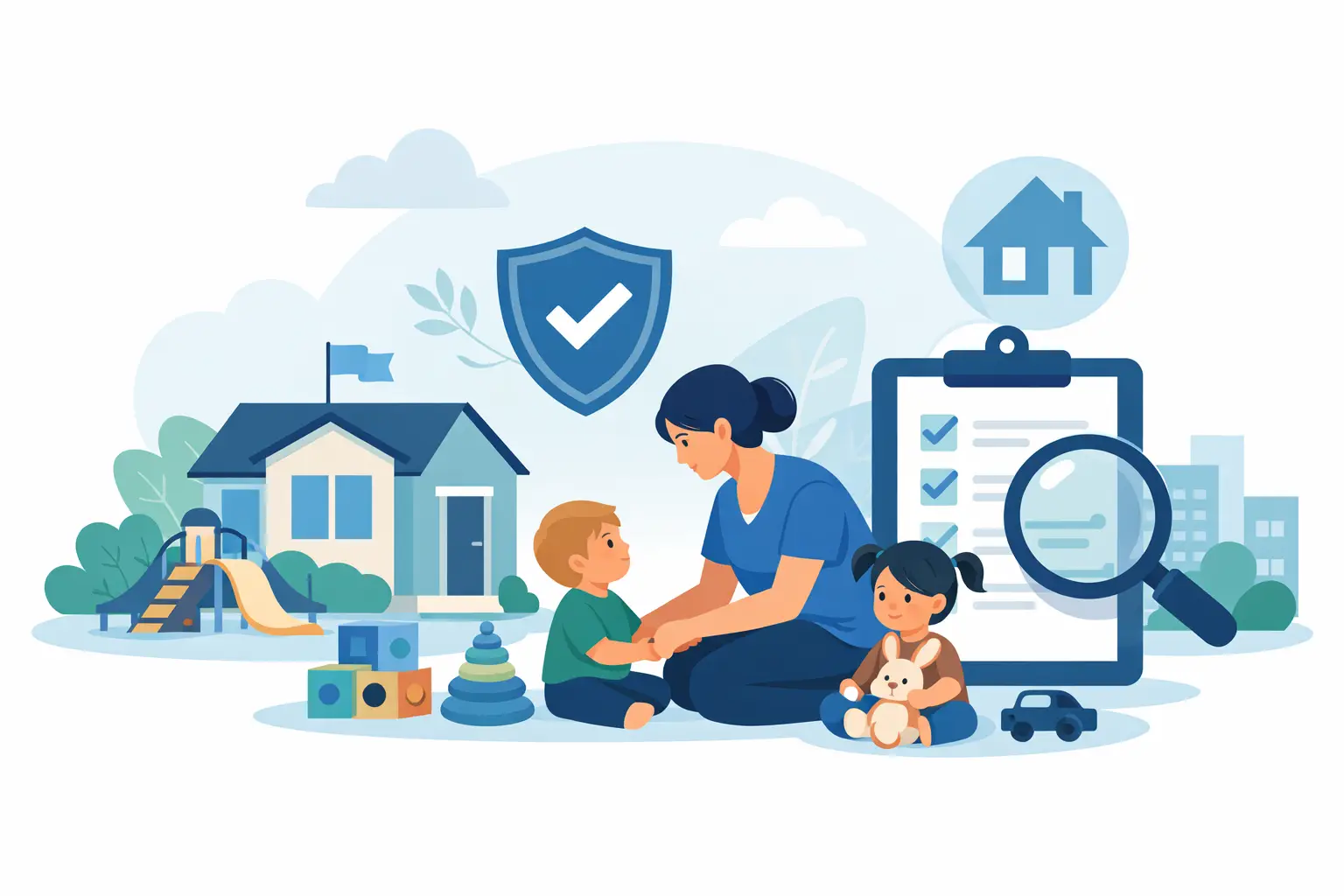
If you have ever toured a child care program and heard the word licensed, you may have wondered what that actually changes. What does licensed childcare mean in real, everyday terms for your child, your family, or your future as a provider? In simple terms, it means the program operates under specific government rules and ongoing oversight rather than setting its own standards without formal approval.
That distinction matters more than most families realize. In a home-based setting, licensing helps turn a warm, nurturing home away from home into a child care environment that is also accountable for safety, supervision, training, and quality expectations. For educators, it creates a clear path for offering care within a regulated system, with guidance and monitoring along the way.
What does licensed childcare mean for families?
For parents, licensed childcare means you are not relying only on a provider’s personal promise or good intentions. You are choosing care that must meet established standards. Those standards generally cover areas like health and safety, child-to-caregiver ratios, emergency planning, recordkeeping, sleep practices, and the suitability of the home or facility.
In a licensed family day home model, the provider is caring for children in a home setting, but the care is still regulated. That is often the part families appreciate most. They can have the comfort of a smaller, more personal environment without giving up structure and oversight.
Licensing also usually means someone is checking. Depending on the local framework, that may include home inspections, review of qualifications, safety checks, and regular agency visits or monitoring. For families, that creates a level of reassurance that the program is not operating alone.
Licensed does not mean identical
One common misunderstanding is that all licensed child care programs are the same. They are not. Licensing sets the baseline, not the personality of the program.
Two licensed day homes can both meet standards and still feel very different. One may be more schedule-driven, while another may lean into play-based learning and flexible routines. One may have a quieter environment for infants and toddlers, while another may be ideal for preschoolers who enjoy group activities. Licensing tells you a program has met required expectations. It does not tell you whether it is the right emotional fit for your child.
That is why families should ask both kinds of questions. Ask about compliance, but also ask how the provider handles naps, meals, outdoor play, transitions, behavior guidance, and communication with parents.
What licensing usually includes
The exact rules depend on the province or state, but licensed childcare usually involves a formal approval process and continued accountability. In Alberta’s family day home system, for example, approved providers work within a regulated framework and are supported and monitored through a licensed agency.
That process often includes background screening, verification of training or qualifications, first aid requirements, inspection of the home environment, and policies that align with child care standards. Once approved, the provider is not simply left to operate without follow-up. Ongoing visits, documentation, and compliance checks help keep standards active rather than theoretical.
For parents, this means licensed care is not a one-time label. It is meant to be maintained. For providers, it means operating professionally every day, not only at the time of application.
Why licensed childcare matters in a home-based setting
Families are often drawn to home child care because it feels more personal. Children may benefit from smaller groups, stronger bonds with one caregiver, and a setting that feels more like home than a larger center. Those are real advantages.
At the same time, parents can worry that a home environment may be less structured or less carefully monitored. Licensed home-based care helps bridge that gap. It allows families to choose a cozy, community-based setting while still expecting standards around supervision, safety, routines, and child development.
That balance is one of the biggest reasons many families prefer a licensed day home over an unregulated arrangement. They are not choosing between warmth and accountability. They can look for both.
What does licensed childcare mean for providers?
For educators and caregivers, licensing means running a child care program within a recognized system. It is not just about permission to care for children. It is about meeting standards, documenting practices, and committing to ongoing growth.
That can feel like a big step, especially for someone who already has experience caring for children informally. But becoming licensed often brings important benefits. It can build trust with families, create access to professional support, clarify expectations, and help providers operate more confidently as child care professionals.
It also means you are not figuring everything out alone. In an agency-supported family day home model, providers typically receive guidance through the approval process, help understanding requirements, and ongoing visits after licensing. That support can make a major difference, especially when questions come up about compliance, programming, or day-to-day operations.
The trade-off families and providers should understand
Licensed care comes with more structure. That is usually a strength, but it can also feel demanding.
For providers, licensing means paperwork, inspections, policies, and accountability. Some people find that reassuring because expectations are clear. Others may feel it limits flexibility. The right view is not that one option is easier and the other is harder. It is that licensed care is designed to protect children and support quality, even when that requires more formal processes.
For families, licensed care may sometimes involve clearer contracts, policies, and procedures than an informal arrangement. That can mean more defined pickup rules, illness policies, or enrollment steps. While that may seem less casual, it also reduces confusion. In child care, clarity is often part of trust.
How to tell if a child care program is truly licensed
If a provider says they are licensed, families should feel comfortable asking what that means in practice. A genuine licensed program should be able to explain who regulates or oversees them, what standards they follow, and how monitoring works.
In a family day home setting, that may mean the provider is approved through a licensed agency that conducts visits, verifies requirements, and supports compliance. Parents can also ask what training the provider has completed, whether the home has been inspected, and how safety procedures are handled.
A trustworthy provider should welcome those questions. Licensing is not something to be vague about. It should be part of an open conversation about how care is delivered.
What families should look for beyond the license
A license matters, but the daily experience matters too. Once you know a program is licensed, pay attention to how the environment feels. Does the provider speak warmly to children? Is the space clean, calm, and organized? Are there age-appropriate toys, books, and opportunities for play? Do routines seem thoughtful rather than chaotic?
It is also wise to notice communication style. Families often feel most at ease when providers are transparent, respectful, and consistent. A licensed program with strong communication tends to feel more like a true partnership.
That is especially important in local communities where families are looking for child care that feels both dependable and personal. In places like Edmonton, St. Albert, Sherwood Park, and surrounding Alberta communities, many parents want more than supervision. They want loving care backed by real standards.
What does licensed childcare mean in the long run?
Over time, licensed childcare means consistency. It means children are cared for in an environment where expectations are not guesswork. It means families have a clearer understanding of how care is provided, and providers have a framework that supports professionalism.
It does not guarantee that every program will be the perfect fit for every child. Personality, teaching style, schedule, and group dynamic still matter. But licensing does create a stronger foundation for trust.
For some families, that foundation is what makes the search feel manageable. For some providers, it is what turns a caregiving goal into a sustainable path. Whether you are looking for a safe, nurturing place for your child or considering opening your own day home, licensed care means there is a system in place to support quality, accountability, and the kind of care families can feel good about.
When child care feels like both a home and a responsibility, that is usually a sign you are asking the right questions.