
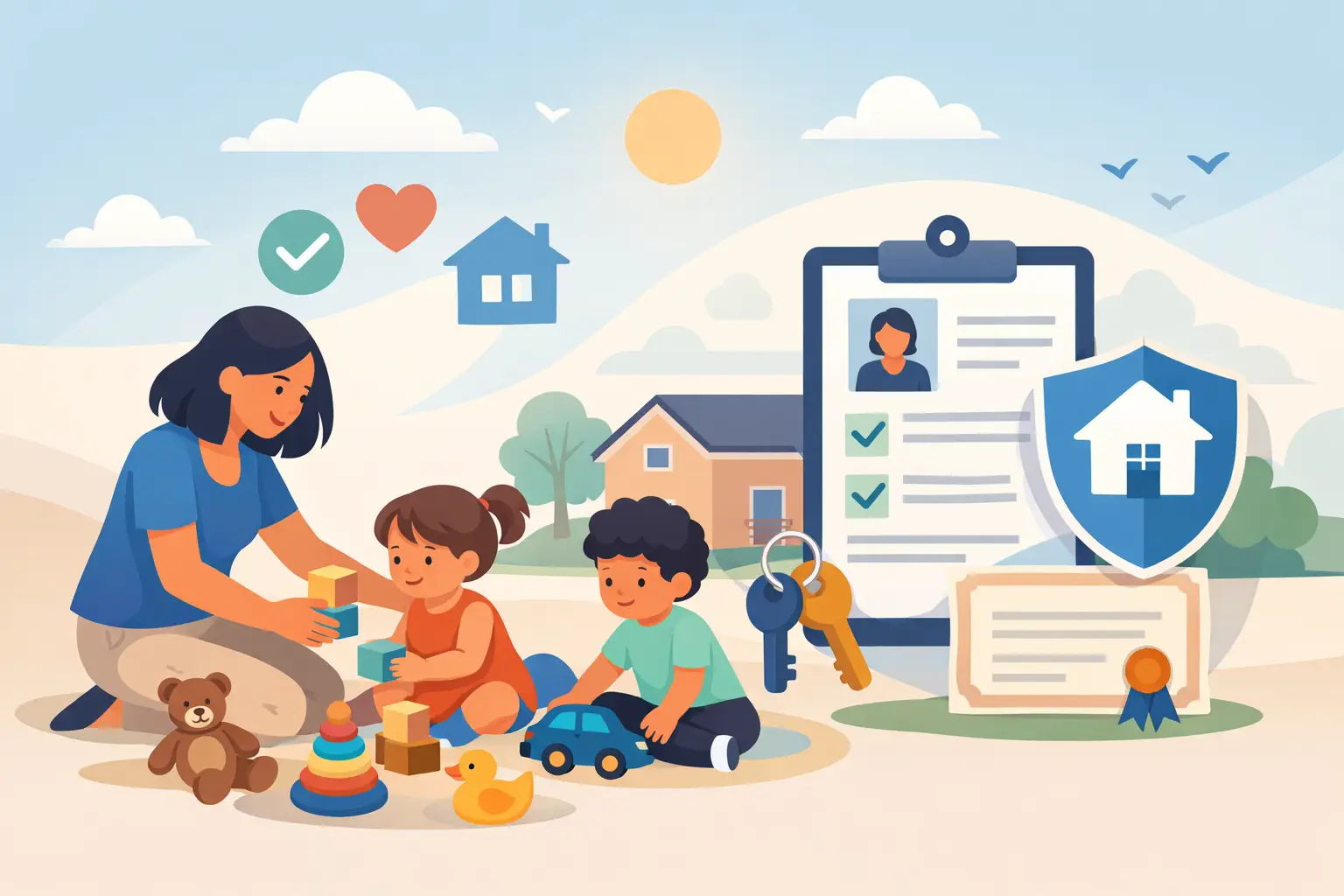
Opening your home to care for children is meaningful work, but it is also regulated work. If you are researching how to become a licensed child care provider, you are probably looking for more than a checklist. You want to know what the process really involves, what agencies look for, and whether this path is the right fit for your home, your schedule, and the kind of care you want to offer.
For many educators and caregivers, family day home care offers something larger centers cannot always provide – smaller group settings, close relationships, and a true home-away-from-home experience. At the same time, licensing is not simply a formality. It is the structure that helps protect children, support families, and give providers a clear framework for quality care.
What it means to be a licensed child care provider
A licensed child care provider is not just someone who enjoys working with children. In a regulated family day home model, you are operating within established standards for health, safety, supervision, programming, and recordkeeping. Those standards help families feel confident that their children are in a setting that is monitored and supported.
In Alberta, many family day home providers work through a licensed family day home agency rather than trying to figure out every requirement alone. That matters because approval is tied to more than your interest in caregiving. Your home environment, qualifications, safety practices, and daily operations all need to meet provincial expectations.
This is also where many people find clarity. Some are drawn to child care because they want flexible work from home. Others have early learning experience and want to build a small program rooted in play, routine, and connection. Both can succeed, but only if they are ready to run their home child care setting professionally.
How to become a licensed child care provider step by step
The path can look slightly different depending on your province or state, but the general process follows the same pattern: learn the standards, complete required documentation, prepare your home, and work through approval with a licensing body or agency.
Start with your local licensing framework
Before buying supplies or planning activities, find out how family child care is regulated where you live. In Alberta, family day homes typically operate under a licensed agency that oversees approval, monitoring, and compliance. That means prospective providers are usually not navigating the process on their own.
This first step matters because regulations affect everything from the number of children you may care for to sleep arrangements, outdoor space, emergency planning, and required records. A provider who understands the rules early is far less likely to waste time setting up a program that later needs major changes.
Meet basic eligibility requirements
Most regulated systems require providers to be legally able to work, to demonstrate suitability for child care, and to complete background and safety-related checks. You may also need proof of child care training, first aid certification, medical clearance, or references.
Eligibility is not only about paperwork. Agencies want to see that you can provide reliable supervision, communicate professionally with families, and maintain a safe and nurturing environment. If you love children but struggle with schedules, documentation, or clear boundaries, those areas need attention before you open.
Prepare your home for inspection
One of the biggest parts of becoming approved is showing that your home can support child care safely. This often includes checking exits, smoke alarms, storage of medications and cleaning products, fencing or outdoor safety, food preparation practices, and age-appropriate play areas.
This is where expectations can feel more detailed than many people anticipate. A warm home is not automatically a compliant child care setting. You may need to make adjustments to furniture placement, install safety devices, revise sleeping arrangements, or create better systems for sanitation and supervision.
That is not a bad sign. It is part of the process. Good licensing support should help you understand what needs to change and why.
Complete training and required documentation
If you want to know how to become a licensed child care provider successfully, take the paperwork seriously. Most approval processes involve application forms, emergency contacts, health records, policies, parent agreements, and proof of required certifications.
Training may include first aid, child development, behavior guidance, safe sleep practices, nutrition, and emergency response. In some cases, previous experience in child care helps. In others, formal coursework is needed. It depends on the local framework and the type of program you are opening.
Providers sometimes underestimate this stage because it does not feel as hands-on as caring for children. But documentation protects everyone. It supports consistency, helps families know what to expect, and shows that your program is organized and accountable.
Work with an agency or licensing representative
A strong agency relationship can make the process more manageable. In Alberta communities such as Edmonton, St. Albert, Sherwood Park, and surrounding areas, many prospective providers choose to work with an agency because it offers guidance from application through approval and beyond.
This support often includes home inspections, policy review, help with standards, feedback on setup, and ongoing monitoring after you begin operating. It also means you have a professional partner to turn to when questions come up about ratios, family concerns, developmental needs, or compliance updates.
That ongoing piece is important. Licensing is not a one-time finish line. It is an operating standard you continue to meet every day.
What agencies and families are really looking for
Families want more than legal compliance. They want to know their child will be safe, seen, and cared for with patience. Agencies are looking for that too, but they also need evidence that you can sustain a quality program over time.
That means your home child care business should reflect both warmth and structure. Children need routines, supervised play, healthy meals or snacks, safe rest spaces, and responsive interactions. Parents need clear communication, dependable hours, and confidence that concerns will be handled professionally.
There is a business side to this as well. Even in a caring home environment, you are managing enrollment, attendance, records, and expectations. Some people are excellent with children but find the administrative side draining. Others appreciate the structure. Being honest about that early can save frustration later.
Common challenges when becoming licensed
The process is rewarding, but it is not effortless. One common challenge is assuming your home is already ready for approval. Another is underestimating how much consistency licensing requires once children are enrolled.
There can also be emotional trade-offs. Working from home may sound flexible, but it changes how your home functions during the day. Shared family spaces become professional spaces. Your routine needs to be reliable. Your energy has to stretch across caregiving, communication, cleaning, planning, and compliance.
For some providers, that balance works beautifully. For others, the reality feels heavier than expected. Neither outcome means you failed. It simply means this role asks for both heart and operational discipline.
How to know if this path is right for you
If you are calm under pressure, enjoy creating routines, and want to offer children loving care in a smaller setting, family child care can be deeply fulfilling. It can also be a meaningful way to build a home-based career while supporting local families.
The strongest providers are usually those who combine genuine care with teachability. They are open to inspections, willing to adjust their environment, and ready to keep learning. They do not view standards as obstacles. They see them as part of building a safe, trusted program.
That mindset makes a difference. Families can feel when a provider is both kind and prepared. Children benefit from spaces where care is warm, but expectations are clear.
Taking the first step with confidence
If you have been wondering how to become a licensed child care provider, the best first move is not to rush into setup. Start by learning your local requirements and speaking with a licensed family day home agency that can explain the approval process clearly. The right guidance can help you understand what is required, what improvements may be needed in your home, and whether this path fits your goals.
At Rightchoice Family Day Homes Agency, that process is built around support as much as compliance. Providers need standards, but they also need encouragement, practical direction, and a professional community behind them.
A well-run day home does more than meet regulations. It becomes a place where children feel secure, families feel reassured, and providers feel proud of the care they are giving every single day.