
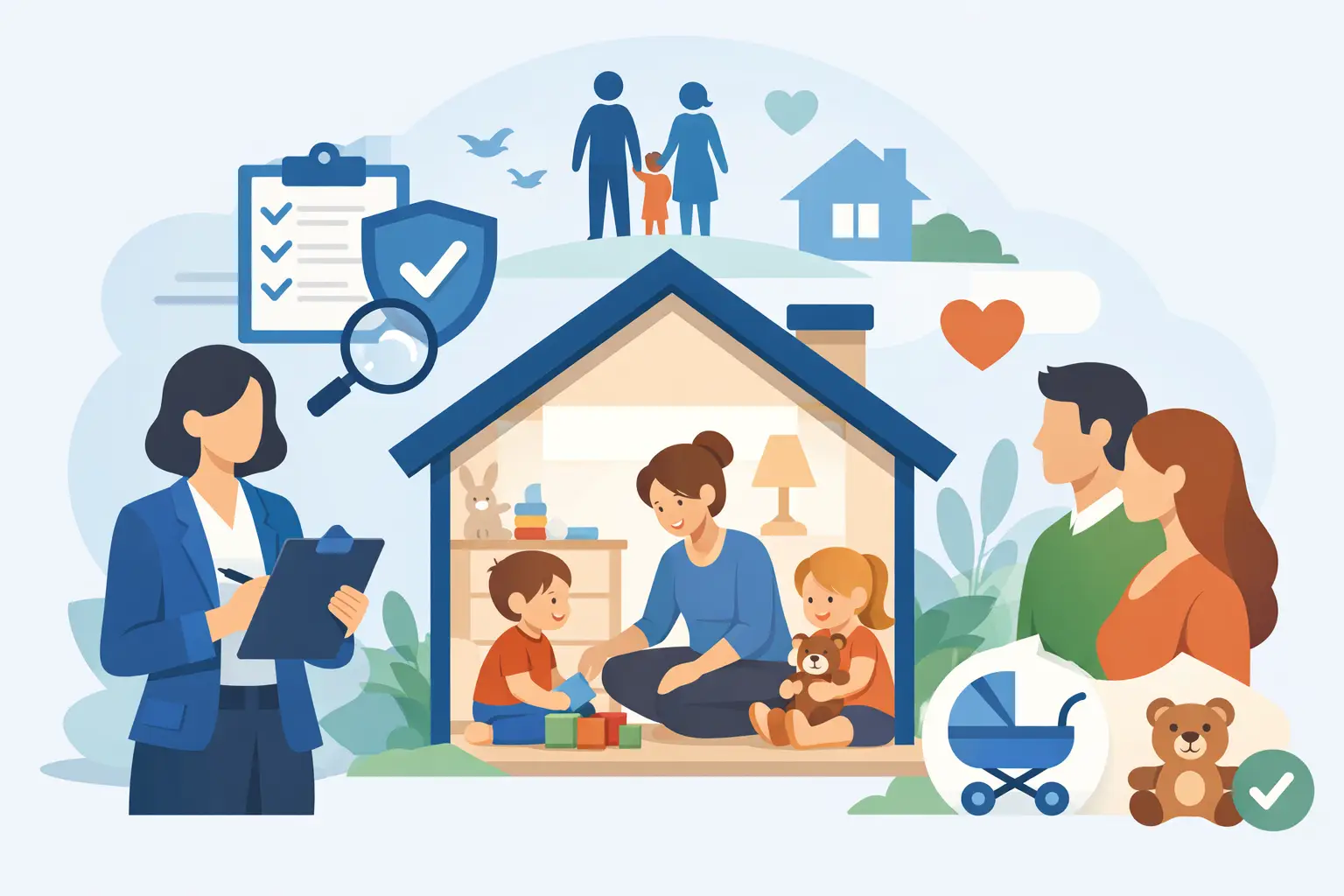
Opening a family day home can feel personal and professional at the same time. You are not just starting a business from your home. You are creating a place where children will be cared for, learn through play, and feel safe while parents are away. That is why family day home licensing requirements matter so much. They protect children, give families confidence, and help providers build a strong foundation from the start.
For parents, licensing is often the clearest sign that a home-based child care setting is being monitored and held to standards. For educators and caregivers, the process can seem detailed at first, but it is there for a reason. A licensed family day home is expected to meet clear rules for safety, supervision, home setup, qualifications, and ongoing compliance. When those pieces are in place, the result is a more secure and consistent child care experience for everyone involved.
What family day home licensing requirements are designed to do
In Alberta, family day homes operate within a regulated framework. That means providers do not simply decide to offer child care and begin the next day. They work through an approved family day home agency and must meet standards before children can be enrolled under that licensed structure.
This model does two things at once. It gives families access to a home away from home with more oversight than an informal arrangement, and it gives providers support as they move through approval, inspections, and daily operations. Licensing requirements are not only about passing a one-time check. They are about showing that the home can safely support children on an ongoing basis.
That distinction matters. A home might feel warm and welcoming, but warmth alone is not enough in child care. Families also need to know there are policies, safety practices, record-keeping expectations, and regular agency visits behind the scenes.
Family day home licensing requirements in Alberta
In Alberta, the approval path for a family day home provider typically runs through a licensed agency. The agency helps determine whether the home, the provider, and the program are ready to meet provincial standards. While details can vary by situation, the process usually includes several core areas.
Home safety and inspection
Before approval, the home must be assessed for safety. This includes checking indoor and outdoor spaces, exits, cleanliness, storage of hazardous items, sleep areas, and general suitability for children of different ages. The goal is not perfection or a showroom look. The goal is a safe, functional environment where children can move, play, eat, rest, and learn under proper supervision.
Some homes need only small adjustments. Others may need more significant changes, especially if there are concerns around stair access, fencing, pet management, or storage of medications and cleaning supplies. This is one reason agency guidance is helpful. A provider may not always notice a risk the way a licensing specialist would.
Provider qualifications and screening
Licensing requirements also focus on the person providing care. Agencies and regulators need to know that a provider is prepared to care for children responsibly and understands child development, supervision, and health and safety expectations.
This often includes background screening, reference checks, and verification of required training or certifications. First aid is a common expectation. Depending on the role and setting, additional education in early childhood care may strengthen an application or be required as part of the approval process.
For providers, this can be one of the more stressful parts because it feels personal. But it should. Families are trusting someone with their child during a very important part of the day. Caregiver screening is one of the strongest protections in any regulated child care model.
Policies, records, and daily operations
A licensed family day home is not only judged by the physical space. It also needs sound day-to-day practices. Providers are expected to maintain records, follow attendance procedures, understand ratios and age group requirements, and be prepared for emergencies.
This operational side is easy to underestimate. Many caring adults are naturally good with children but less familiar with documentation, incident reporting, or structured compliance. That does not mean they are not a good fit. It simply means running a regulated day home requires both heart and process.
Ongoing monitoring and agency support
Approval is the beginning, not the finish line. Once licensed through an agency, providers usually receive ongoing visits, monitoring, and guidance. This helps keep standards consistent and allows issues to be addressed early.
That ongoing relationship is one of the biggest advantages of the agency model. Providers are not left on their own to interpret standards or solve every challenge independently. Families also benefit because there is continued oversight after placement, not just a check at the start.
What parents should look for when asking about licensing
Parents do not need to memorize every regulation to make a smart child care decision. What they do need is clarity. If a provider is operating under a licensed family day home agency, families should feel comfortable asking how the home is approved, how often monitoring occurs, and what standards are being followed.
It is also reasonable to ask about safety routines, supervision, daily schedules, nutrition practices, and how the provider supports play-based learning. Licensing covers compliance, but quality care also shows up in how the environment feels. A good family day home should be both structured and nurturing.
There is a practical difference between a home that is licensed and supported versus one that is informal. Informal care may work for some families, but it usually does not come with the same level of screening, inspection, and ongoing oversight. For many parents, especially those with infants or very young children, that added layer of accountability brings real peace of mind.
What future providers should know before applying
If you are considering opening a family day home, it helps to be honest about both the opportunity and the responsibility. The work can be deeply rewarding. You get to build close relationships with children and families, create a warm learning environment, and operate from your own home. But licensing requirements are there because this is professional child care, not casual babysitting.
That means your home life and work life will overlap. You may need to adjust rooms, routines, storage systems, or household habits. You may need to think differently about pets, visitors, scheduling, and how your day flows from drop-off to pick-up. For some providers, this feels natural. For others, it takes time.
It also depends on your goals. If you want to offer reliable, long-term care within a regulated framework, licensing is often the right path. If you are looking for something looser or occasional, the expectations may feel too structured. The key is choosing the model that fits the kind of care you want to provide.
Why agency guidance makes the process easier
Many providers are surprised by how much easier the process feels when they have an experienced agency walking alongside them. A good agency does more than collect paperwork. It helps applicants understand standards, prepare for inspections, identify gaps, and build confidence before children are enrolled.
That support continues after approval. Ongoing visits, professional development, and help with compliance can make a big difference, especially in the first year. For families, agency involvement also creates a clearer path for registration, placement, and communication.
In communities such as Edmonton, St. Albert, Sherwood Park, and surrounding areas, families often want child care that feels personal without giving up accountability. That is where the licensed family day home model stands out. It offers small-group, home-based care with a structured system behind it.
Rightchoice Family Day Homes Agency supports both sides of that relationship by helping providers meet standards and helping families find approved care they can trust. That balance matters because high-quality child care depends on more than good intentions. It depends on guidance, consistency, and follow-through.
The real value behind the requirements
Licensing requirements can look strict on paper, but their purpose is simple. Children need safe environments. Parents need confidence. Providers need a clear path and ongoing support. When those needs are taken seriously, a family day home becomes more than a convenient option. It becomes a dependable place where children can grow, belong, and be cared for well.
If you are a parent, asking the right questions about licensing is one of the strongest ways to protect your child and choose with confidence. If you are an aspiring provider, understanding the requirements early can save time and help you build the kind of day home families are truly looking for. A caring home matters, and so do the standards that help keep it that way.