
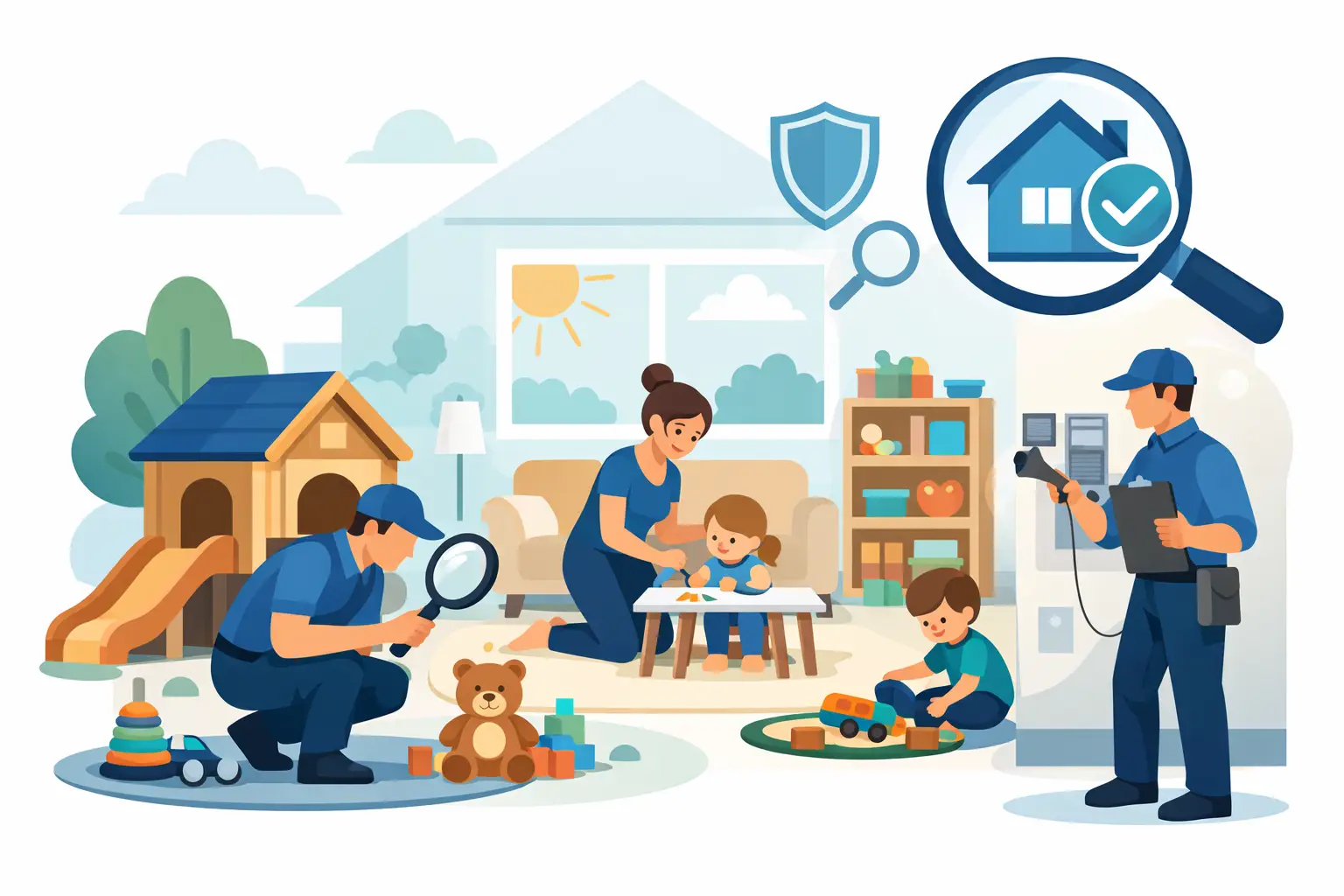
A family day home can feel warm and personal, but it should never feel uncertain. That is why understanding how home inspections work for dayhomes matters for both parents choosing care and educators preparing to open their homes. Inspections are not there to make the process harder. They help make sure a home-based child care setting is safe, well organized, and ready to support children every day.
For parents, inspections offer reassurance that someone has looked closely at the environment where their child will learn and play. For providers, inspections are part of building a strong foundation. They create clear expectations, identify issues early, and support long-term success within a licensed agency model.
How home inspections work for dayhomes in practice
In a regulated family day home setting, a home inspection is a formal review of the space where child care will take place. The goal is to confirm that the home meets required standards for health, safety, supervision, and daily operation. This review is typically completed as part of the approval process before care begins, and it continues through ongoing monitoring after a provider is active.
That ongoing piece matters. A single inspection does not guarantee quality forever. Homes change, families grow, rooms get rearranged, and children at different ages need different protections. Regular visits help make sure the day home continues to meet expectations over time, not just on one good day.
In Alberta’s regulated framework, agencies work with approved providers to make sure standards are met and maintained. That means inspections are not just pass or fail events. They are also part of a support system that helps providers understand what is required and how to keep their home child-ready.
What inspectors or agency consultants usually look for
Every agency follows regulatory requirements, but the inspection itself is practical. It focuses on what children experience in the home and what risks need to be reduced.
Safety is usually the first concern. Inspectors look at exits, smoke alarms, carbon monoxide alarms, stairways, storage of cleaning products, medication access, and whether hazardous items are locked away or kept well out of reach. They may also review how emergency information is stored and whether evacuation plans are realistic for the age group in care.
The physical environment matters too. A day home does not need to look like a classroom, and that is part of its appeal. It should still be clean, organized, and set up in a way that supports safe movement, active play, meals, rest, and supervision. Children need enough usable space, and providers need clear sightlines so they can actively monitor the group.
Inspectors also pay attention to sleeping arrangements, bathroom access, handwashing areas, food preparation spaces, and indoor and outdoor play areas. If there is a backyard or nearby outdoor space used for care, that area may be reviewed for fencing, surface hazards, and age-appropriate equipment.
Some concerns are less visible but equally important. Inspectors may ask about daily routines, behavior guidance, record keeping, emergency contacts, first aid readiness, and how the provider plans to manage arrivals, departures, illness, and incident reporting. A safe day home is not only about furniture and gates. It is also about judgment, consistency, and preparedness.
The inspection process before a provider is approved
For someone hoping to become a licensed family day home provider, the first inspection usually happens after the initial application steps are underway. By that point, an agency has often already discussed qualifications, documentation, and the standards the home must meet.
The pre-approval inspection is where the home itself is assessed. An agency consultant typically visits the residence, walks through the areas used for care, and reviews the setup in detail. This includes checking whether child care spaces are appropriate for the number and ages of children expected in care.
It is common for a provider to need a few adjustments before final approval. That does not automatically mean something is wrong in a serious way. Sometimes it is a matter of adding a safety latch, moving supplies, updating a fire extinguisher, or changing how sleep space is arranged. The process is meant to catch those issues before children are enrolled.
That is one reason agency support is valuable. A strong agency does not simply point out what is missing and walk away. It helps providers understand how to correct concerns and move forward with confidence.
How ongoing inspections and monitoring work
Once a day home is operating, monitoring continues. This usually includes scheduled and sometimes unscheduled visits. These check-ins help confirm that standards are still being followed in daily practice.
Ongoing inspections are often more than a quick glance around the home. Consultants may observe how the day is running, review documentation, discuss any recent incidents, and look at whether the environment still matches the approved setup. If new furniture has been added, if rooms are being used differently, or if the age range of children has changed, the home may need updates to stay compliant.
This can feel stressful for some providers, especially at first. But regular oversight protects everyone involved. It protects children by maintaining safe environments. It protects parents by giving them confidence that care is being monitored. And it protects providers by helping them correct small concerns before they become bigger problems.
What parents should understand about dayhome inspections
Parents do not always see the inspection process directly, so it can feel a little behind the scenes. Still, it is one of the clearest differences between a regulated day home and an unmonitored arrangement.
When a day home works with a licensed agency, the home has gone through approval steps and ongoing review. That does not mean every home will look identical, because home-based care is meant to feel personal. It does mean there is a framework behind that warm environment. Someone is checking that safety practices, required records, and care standards are in place.
Parents should also know that inspections are one part of quality, not the only part. A compliant home can still vary in personality, teaching style, daily rhythm, and fit for a particular child. That is why both things matter: the home should meet standards, and it should also feel like the right home away from home for your family.
If you are looking for care in communities like Edmonton, St. Albert, Sherwood Park, or nearby areas, asking whether a provider is part of a licensed family day home agency is a practical place to start. It gives you a clearer picture of what kind of oversight is in place.
How providers can prepare for a dayhome inspection
The best preparation is not cosmetic. It is operational. A home inspection is easier when safety practices are already part of the provider’s normal routine, not something rushed the night before.
Providers should think through the home from a child’s perspective. What can be reached, tipped, opened, climbed, or swallowed? Where could supervision become difficult? Are daily items stored where they belong, and are emergency materials easy to access for adults but protected from children?
It also helps to keep paperwork current and routines consistent. Inspectors may ask questions that connect the environment to daily care. For example, a safe nap space should match the ages of children enrolled, and an emergency plan should reflect the actual layout of the home.
There is also a balance to strike. A day home should be safe, but it should still feel like a place where children can explore, play, and relax. Overcorrecting every detail can create a space that feels sterile or impractical. Good inspections support real-life child care, not perfection.
Why this process builds trust
Families place a great deal of trust in a day home provider. Providers open their personal space to that responsibility. Home inspections help meet both sides of that trust with clear standards and ongoing accountability.
They also support the bigger goal of quality care. When agencies monitor homes, guide providers, and reinforce expectations, children benefit from environments that are safer, more consistent, and more responsive to their needs. That is especially important in home-based care, where the setting is intimate and relationships are close.
At Rightchoice Family Day Homes Agency, that process is part of creating the kind of care families can feel good about and providers can feel proud of. A loving environment matters, and so does structure behind the scenes.
If you are a parent, inspections can give you one more reason to breathe easier when choosing care. If you are a provider, they are not a hurdle to fear but a step that helps turn a caring home into a trusted, professional child care setting.