
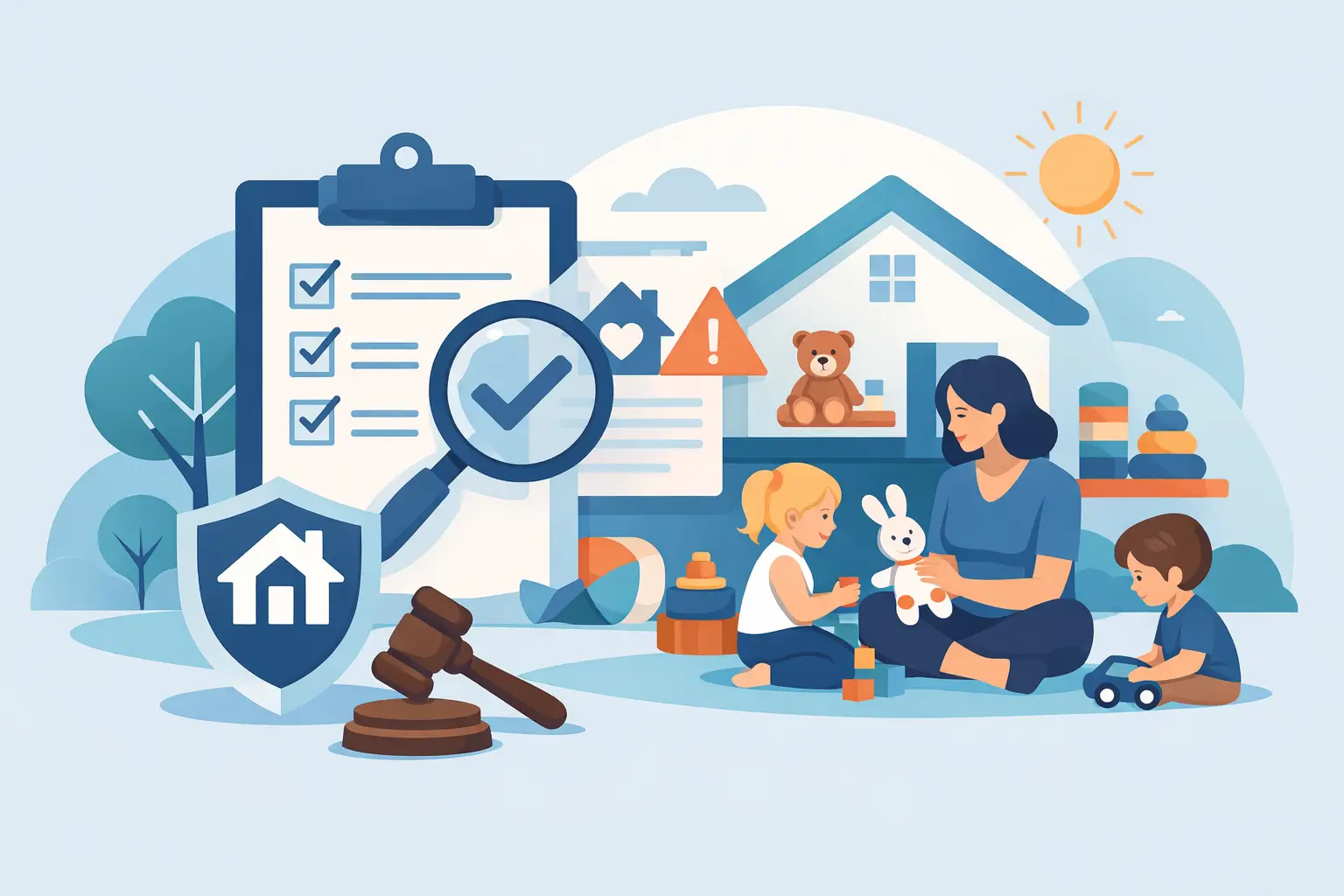
A warm, welcoming day home should never leave families guessing about safety or leave educators guessing about the rules. That is where a strong child care compliance guide becomes useful. It gives parents a clearer picture of what regulated care looks like, and it gives providers a practical path for meeting expectations without losing the home-like environment families value.
In home-based child care, compliance is not just paperwork. It is the everyday structure behind safe sleep practices, clean play areas, emergency planning, supervision, record keeping, and respectful communication with families. When those pieces are handled well, children benefit first. Parents gain peace of mind, and educators can focus more confidently on caring for children and supporting development.
What a child care compliance guide really covers
Many people hear the word compliance and think only of inspections or forms. In practice, it is much broader. A child care compliance guide helps explain how a day home operates within regulated standards and what that looks like in real daily routines.
For providers, that usually includes approval requirements, safety checks, home inspections, training documentation, child records, policy expectations, and ongoing monitoring. For parents, it includes understanding what questions to ask, what signs of quality to look for, and how regulated oversight supports consistent care.
That distinction matters because compliance is not separate from quality. It is one of the main ways quality is protected. A provider may offer a loving home away from home, but warmth alone is not enough. Families also need confidence that the environment meets health and safety standards and that someone is checking those standards regularly.
Why compliance matters to families
Parents are often choosing child care during a stressful season. They may be returning to work, adjusting to a new baby, or trying to find a setting where their child feels secure. In that moment, licensed oversight can reduce a lot of uncertainty.
A regulated day home is expected to meet established standards around supervision, the physical environment, emergency readiness, and appropriate care practices. That does not guarantee every family will prefer the same provider, because personality, routines, and communication style still matter. But it does mean there is a framework in place to support safer, more consistent care.
This is especially helpful for families who want the smaller, relationship-based setting of a day home but still want professional accountability. A home setting can feel more personal than a larger program, yet parents should not have to trade structure for comfort. The right agency model helps bring both together.
A child care compliance guide for new providers
For educators and caregivers thinking about opening a family day home, compliance can feel like the hardest part at first. There are standards to understand, documents to gather, and home requirements to meet. The good news is that approval is usually much more manageable when it is broken into clear steps.
The process often starts with determining whether your home, background, and experience align with regulated expectations. That may include qualification review, criminal record and vulnerable sector checks, first aid certification, and learning the standards that apply to home-based care.
From there, the home itself needs to be assessed. Safety is one of the biggest areas of focus. Inspectors and agency staff may look at exits, storage of cleaning products and medications, sleep spaces, sanitation practices, smoke and carbon monoxide alarms, and general supervision risks. These details can feel small when you are in your own home every day, but in child care they matter a great deal.
There is also an operational side to compliance that new providers sometimes underestimate. Attendance records, emergency contacts, incident documentation, medication procedures, and parent communication are all part of running a professional program. A caring provider may do many of these things naturally, but compliance requires them to be documented and consistent.
Inspections, monitoring, and ongoing support
One common misunderstanding is that compliance ends once a provider is approved. It does not. Good oversight is ongoing, because day homes are active environments where needs change over time.
Regular agency visits, reviews, and monitoring help make sure standards continue to be met. That can include checking the home environment, discussing routines, reviewing records, and identifying areas where additional support may help. For providers, that level of follow-up can feel intimidating if they expect it to be punitive. In a well-run system, it should also be practical and supportive.
This is one reason many educators choose to work with an agency rather than trying to sort through regulations alone. An agency can help interpret standards, explain what needs to be corrected, and offer professional development that strengthens both compliance and program quality. Rightchoice Family Day Homes Agency, for example, supports providers through approval, monitoring, and ongoing guidance within Alberta’s regulated framework.
There is an important balance here. Monitoring should be thorough enough to protect children and maintain standards, but supportive enough that providers feel equipped to improve. When oversight is only about catching mistakes, people become defensive. When it combines accountability with coaching, children, families, and educators all benefit.
What parents should ask before choosing care
Families do not need to become licensing experts, but a few thoughtful questions can tell you a lot about how a day home operates. Ask whether the home is regulated and monitored through a licensed agency. Ask how emergencies are handled, how daily routines are communicated, and what policies are in place for illness, medication, naps, and outdoor play.
It is also reasonable to ask how the provider keeps children safe while still creating a nurturing, home-like setting. The answer should sound practical, not vague. A provider who understands compliance should be able to explain supervision, sleep arrangements, sanitation routines, and parent communication in a way that feels clear and confident.
Parents can also pay attention to the environment itself. Is it calm, clean, and organized for children? Do activities support play-based learning and development? Does the provider speak warmly and respectfully about children while also describing clear boundaries and routines? Compliance and relationship quality should show up together.
Where compliance and play-based care meet
Some people assume regulation makes child care rigid. In reality, good compliance should support a better learning environment, not a colder one. Children thrive when they feel safe, predictable routines are in place, and materials are thoughtfully prepared.
That is where play-based care and compliance often work hand in hand. A well-managed day home can still be joyful, flexible, and responsive to children while maintaining standards for supervision, safety, record keeping, and developmental support. In fact, those standards often create the conditions that allow meaningful play to happen more consistently.
There are trade-offs, of course. Providers may need to spend more time on documentation than they would in an informal arrangement. Parents may need to follow more formal policies around attendance or illness. But those structures usually exist for good reasons. The goal is not to make care feel bureaucratic. The goal is to protect children and create trust.
Common compliance gaps and how to prevent them
Most compliance issues in day homes are not caused by a lack of care. They are often caused by missed details, outdated paperwork, or routines that drift over time. A provider may know what should happen but fall behind on documentation. A family may not realize why certain policies are enforced until a problem comes up.
Prevention starts with consistency. Providers benefit from keeping records current, reviewing safety practices regularly, and treating agency feedback as part of professional growth rather than as an interruption. Families help too when they complete forms carefully, communicate changes quickly, and respect the policies that keep the program running safely.
It also helps to remember that compliance is not static. Children grow, family needs shift, and homes change. A setup that worked six months ago may need to be adjusted now. The strongest programs are not the ones that never need corrections. They are the ones that respond early and take standards seriously.
For families searching in communities such as Edmonton, St. Albert, Sherwood Park, or Spruce Grove, asking about compliance is not being overly cautious. It is part of choosing care with confidence. For educators building a day home, learning the standards is not a barrier to warm caregiving. It is part of creating the kind of trusted home environment families are hoping to find.
The best child care settings feel personal and professional at the same time. When compliance is handled with care, children get the safety they need, parents get the reassurance they deserve, and providers get the structure that helps their work shine every day.