
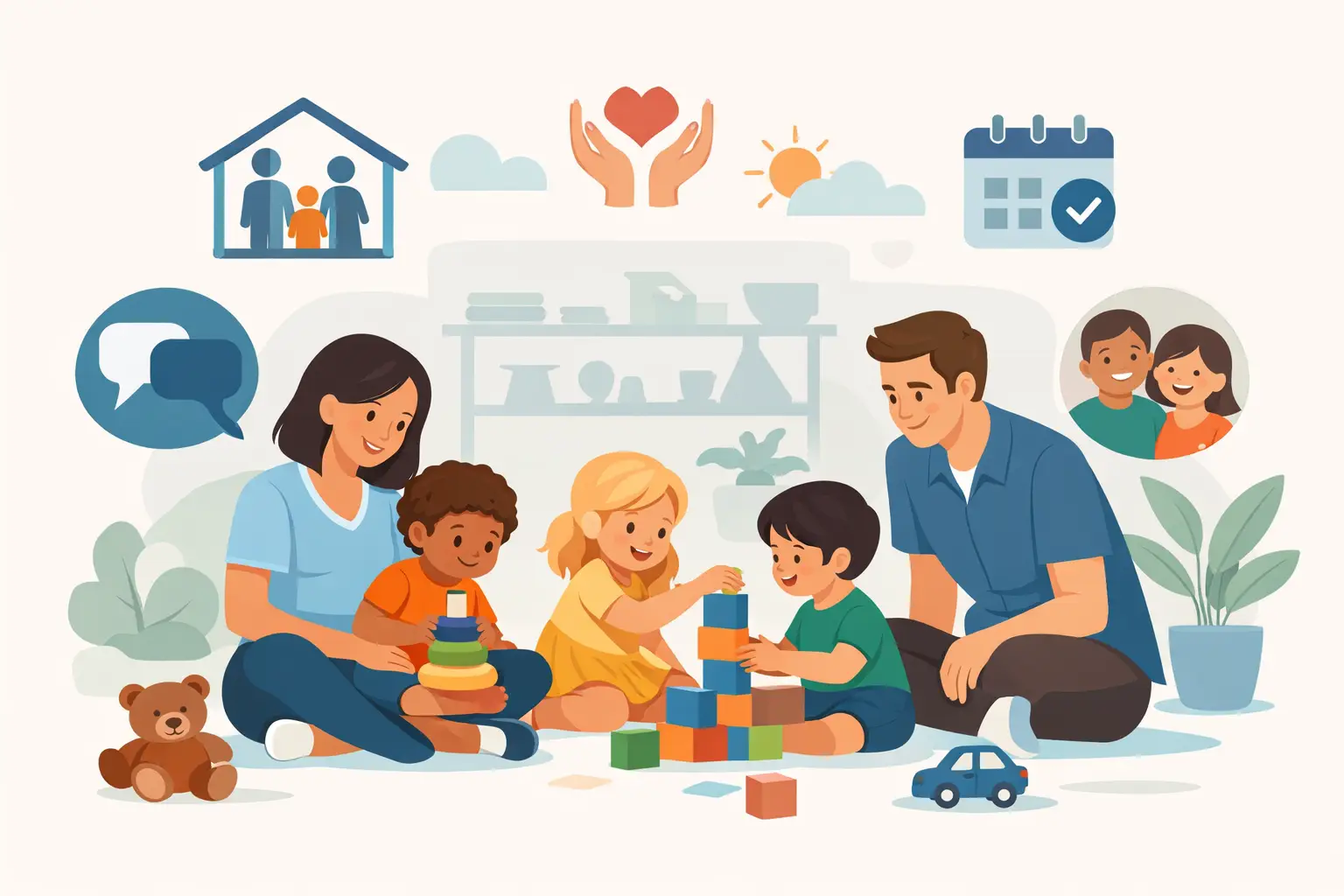
When a child is dropped off in the morning, parents are trusting someone else with the moments that shape the day – comfort after a hard goodbye, help with snacks, support during play, and the quiet cues that show when a child is tired, hungry, or overwhelmed. That is why small group child care benefits matter so much to families looking for more than simple supervision. They want care that feels personal, consistent, and safe.
For many families, a smaller home-based setting offers that balance. It can feel like a home away from home while still operating within a regulated framework when the provider is licensed and supported by an approved agency. For young children, especially infants, toddlers, and preschoolers, the size of the group often shapes how their day feels and how closely adults can respond.
Why small group child care benefits stand out
A small group does not automatically mean higher quality in every case. The provider’s experience, the safety of the environment, and the level of oversight all matter. Still, when care is delivered in a licensed family day home with the right support, smaller numbers often create conditions that are harder to maintain in larger settings.
Children are more likely to be known as individuals. Parents are more likely to build a real relationship with the caregiver. Routines can be calmer, transitions can be smoother, and the day often has a more natural rhythm. For families who are deciding between a day home and a larger daycare center, those differences are often what guide the choice.
More individualized attention every day
One of the clearest small group child care benefits is the amount of personal attention each child can receive. In a smaller setting, providers can notice patterns quickly. They may see that one child needs extra time to settle in after drop-off, while another does best when given an active play option first thing in the morning.
That kind of observation matters. Young children communicate through behavior long before they can explain their feelings clearly. When a caregiver sees the same small group every day, they begin to understand preferences, routines, and signs of stress. That helps children feel secure, and it also gives parents better insight into how their child is doing.
Individualized attention also supports learning. Play-based experiences can be adjusted to match a child’s age, interests, and development rather than asking every child to move at the same pace.
Stronger relationships with one consistent caregiver
Children do well when they know who will greet them, guide them, and care for them each day. In a small group setting, there is often more consistency in the adult-child relationship. That familiarity can make a real difference, especially for younger children who are still learning how to separate from their parents and feel safe in a new environment.
Consistency helps build trust. It also helps with behavior, emotional regulation, and communication. A caregiver who knows a child well can often prevent problems before they grow. They can redirect early, offer comfort in ways that work, and help children move through the day with less stress.
For parents, this relationship matters too. It is easier to speak openly with a caregiver when communication is direct and ongoing. Daily updates often feel more meaningful because they are based on close observation, not just quick reporting.
A calmer environment for young children
Not every child thrives in a busy, high-traffic setting. Some children are very social and adapt quickly to larger groups. Others become overstimulated by noise, frequent transitions, or a fast-moving classroom schedule. One of the most practical small group child care benefits is that the environment is often calmer.
In a smaller home-based setting, there may be fewer competing sounds, fewer large-group transitions, and more flexibility throughout the day. That can support children who are sensitive, shy, or simply younger and still adjusting to care outside the home.
A calmer environment does not mean children are less active or engaged. It means the pace can be more manageable. Children still play, explore, and interact, but often with more room for quiet moments, one-on-one support, and smoother routines.
Mixed-age learning can feel more natural
Family day homes often include children of different ages, and that can be a strength when it is well managed. Younger children learn by watching older ones. Older children build confidence, patience, and social awareness by interacting with younger peers.
This kind of mixed-age environment can feel more like real family and community life. It encourages children to develop social skills in a setting that is not divided as strictly by age. A provider can guide those interactions to make sure they are safe, respectful, and appropriate for each child’s stage.
There are limits, of course. Mixed-age care works best when group sizes remain appropriate and the provider has the training and support to plan for different developmental needs at once. That is one reason licensing, monitoring, and professional guidance matter.
Routines that support comfort and confidence
Young children depend on predictable routines. They may not look at the clock, but they know when the day feels orderly. Snack time, rest, outdoor play, diapering, handwashing, and quiet transitions all help children understand what comes next.
In a smaller setting, routines can often be followed with less disruption. There are simply fewer children moving through each part of the day, which can make things feel less rushed. That helps children build confidence and independence over time.
For infants and toddlers, this can be especially valuable. Their needs change quickly, and they often need feeding, sleep, and care schedules that do not fit neatly into a large group structure. A small group setting may offer more flexibility while still keeping the day organized.
Communication with parents is often more personal
Parents want to know more than whether their child ate lunch and napped. They want to know how the morning went, what their child enjoyed, whether anything felt different, and how they are growing over time. In smaller care settings, communication often feels more personal because the provider has had more direct contact with each child throughout the day.
That does not mean every conversation is long. It means the details tend to be more meaningful. A caregiver can share that a child tried a new activity, used more words during play, or needed extra reassurance after a difficult morning.
This kind of communication builds trust. It also helps families and caregivers work together when a child is adjusting to a new routine, toilet training, or moving through a developmental stage.
Safety and oversight still matter
Parents are right to ask hard questions about supervision, training, and home safety. Small group care should feel warm, but it should also feel accountable. The best outcomes come when home-based care is not informal or unmonitored, but licensed, inspected, and supported within a regulated system.
That structure matters for both families and providers. It helps confirm that standards are being met around safety, qualifications, and ongoing monitoring. It also gives providers access to guidance and professional development, which strengthens the quality of care over time.
For families in Alberta communities such as Edmonton, St. Albert, Sherwood Park, or Leduc, choosing a licensed family day home can offer the comfort of a smaller environment with the added reassurance of agency oversight.
Small group child care benefits for parents, too
The child’s experience is central, but parents feel the difference as well. A smaller setting can reduce the emotional strain of daily drop-off because the environment often feels more familiar and relational. Many families appreciate knowing exactly who is caring for their child and having a consistent point of contact.
There is also a practical side. Home-based care may be closer to neighborhoods, easier for siblings, or a better fit for families who want a more personal care arrangement. It depends on the family’s schedule, the child’s temperament, and the quality of the provider match.
That last point matters. No one type of care is best for every child. Some children thrive in larger centers with bigger peer groups and more structured classroom programming. Others do best in smaller, relationship-based settings where the day feels more like home.
Choosing the right fit with confidence
When families compare child care options, the real question is not just what is available. It is where their child is most likely to feel safe, known, and supported. That is where small group care often stands apart.
A licensed family day home can offer loving care, close relationships, and a steady daily rhythm, while still meeting clear standards for health, safety, and quality. For providers, agency support makes that care stronger by offering oversight, training, and a framework for doing the work well.
Rightchoice Family Day Homes Agency supports that connection between families and approved providers because quality child care should feel personal without sacrificing trust. When care is both nurturing and accountable, children have room to grow with confidence – and parents have room to breathe a little easier.
If you are weighing your options, pay attention to how a setting feels, how clearly safety is explained, and whether your child is likely to be truly known there. That kind of fit can shape not just the day, but the whole early childhood experience.