
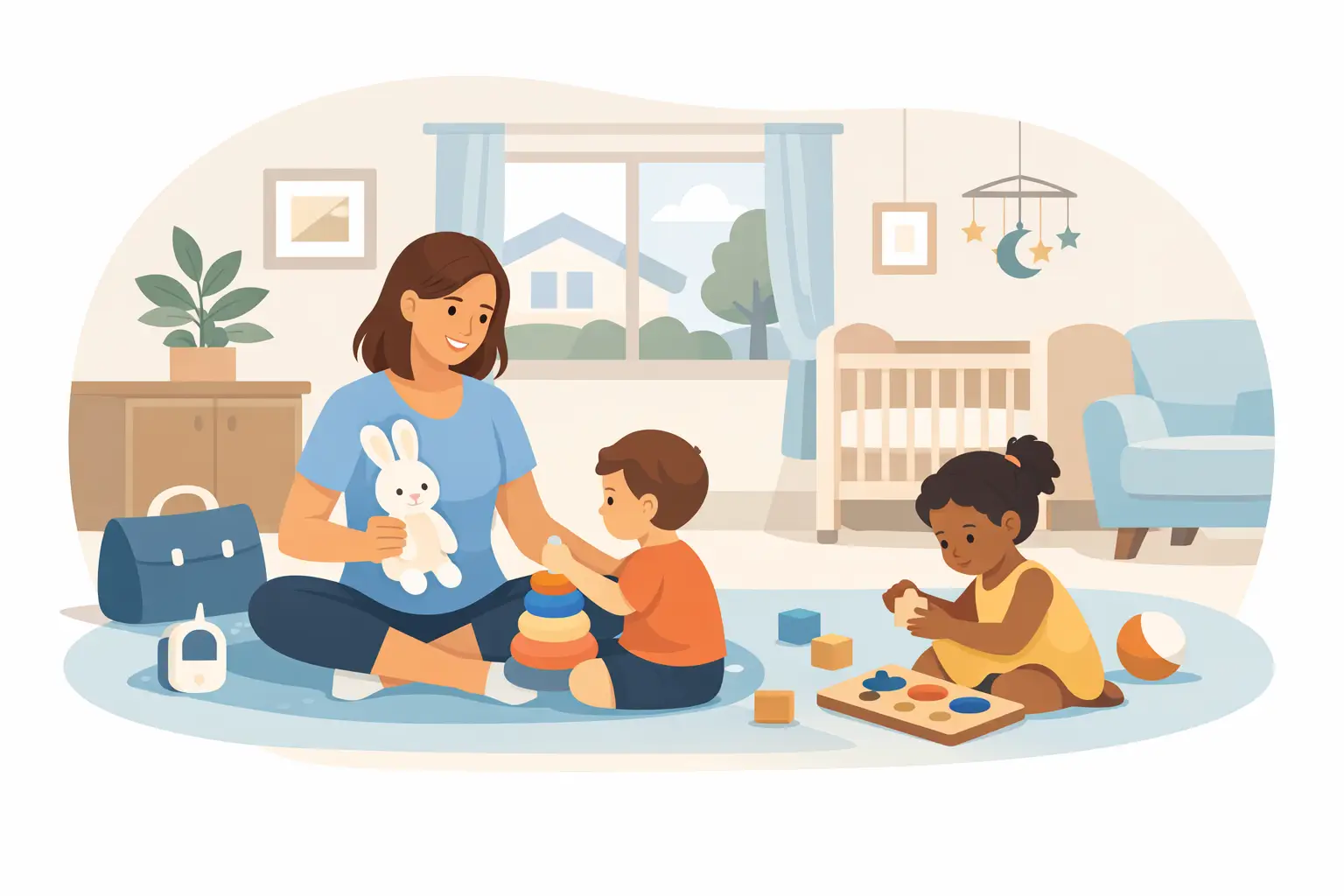
The first time you leave your child with someone else, the big question is rarely about price or location. It is usually much more personal: Will this feel safe? Will my child be known, comforted, and cared for in a way that feels like a home away from home? That is why choosing an in home child care provider deserves more than a quick online search.
For many families, home-based care offers something larger settings cannot always match – a smaller group, closer relationships, and a daily rhythm that feels warm and familiar. For educators, becoming an in home child care provider can also be a meaningful way to build a child care business rooted in nurturing care and early learning. In both cases, the best outcomes happen when quality, safety, and support are taken seriously from the start.
Why families choose an in home child care provider
An in-home setting often feels more personal than a larger program. Children may have more consistent contact with one caregiver, and parents often appreciate the chance to build a direct relationship with the person caring for their child each day. That can make drop-offs easier, especially for infants, toddlers, or children who do best in calm, familiar environments.
Smaller group care can also support more individualized attention. A provider may be able to notice small changes in mood, appetite, sleep, or behavior because they are working closely with the same children every day. That kind of continuity matters. Young children thrive when they feel secure, understood, and part of a steady routine.
That said, not every family is looking for the same thing. Some parents prefer the scale and structure of a larger daycare center. Others want the flexibility, neighborhood feel, and mixed-age environment of a day home. The right choice depends on your child’s temperament, your schedule, and the kind of relationship you want with your care provider.
What makes a strong in home child care provider
A warm personality matters, but warmth alone is not enough. A strong provider combines genuine care with clear routines, safe practices, and a good understanding of child development. Families should be able to see that children are supervised closely, guided kindly, and engaged in age-appropriate play throughout the day.
Look for a setting that feels organized without feeling rigid. Children need structure, but they also need room to explore, rest, and learn through play. A quality home-based program usually includes regular meals or snacks, outdoor time when possible, rest periods, and simple learning experiences woven into everyday activities.
Communication is another strong sign. A dependable provider shares how the day went, raises concerns early, and welcomes questions. Parents should not feel like they are asking too much when they want updates about sleep, eating, behavior, or transitions. Trust grows through consistent, respectful communication.
Why licensing and oversight matter
When parents hear the phrase home child care, they sometimes assume all home-based care works the same way. It does not. There is a real difference between informal babysitting and regulated family day home care supported by an agency.
A licensed agency-approved provider works within established standards. That typically means the home has been inspected, safety requirements have been reviewed, and the provider has met qualifications set by the applicable framework. Ongoing monitoring also matters because quality child care is not just about passing one check at the beginning. It is about maintaining standards over time.
For families, this oversight reduces guesswork. You are not left to figure everything out on your own. You can ask more informed questions about supervision, ratios, health practices, emergency planning, and the provider’s training. That structure is especially valuable for first-time parents who want reassurance that loving care and professional accountability can exist together.
For educators, agency support can make the path much clearer. Becoming approved is not simply about opening your door and hoping for the best. It involves learning the standards, preparing the home, completing required checks and certifications, and building a program that is safe and developmentally appropriate. Ongoing guidance helps providers stay confident and compliant.
Questions parents should ask before enrolling
A visit tells you a lot, but the conversation matters just as much. Ask how the day is structured and how the provider handles naps, meals, toileting, outdoor play, and transitions. Listen for answers that are practical and calm, not rehearsed. A good provider usually has routines, but also understands that young children do not fit perfectly into a script.
It also helps to ask how discipline is handled. Families want care that is kind and respectful, with clear limits and age-appropriate guidance. You are looking for a provider who teaches, redirects, and supports emotional regulation rather than reacting harshly.
You may also want to ask about illness policies, emergency procedures, and how the provider communicates concerns. If your child has allergies, developmental needs, or a sensitive temperament, bring that up early. The goal is not to find a perfect provider on paper. The goal is to find one whose approach matches your child and your family.
Signs the environment feels right
Parents often notice the feeling of a home before they can explain it. The space may be simple, but it should feel safe, clean, and welcoming. Children should appear supervised and engaged. You may see books within reach, toys organized for use, and spaces that support both active play and quiet time.
Watch how the provider interacts with the children already in care. Is the tone patient and attentive? Are children spoken to with respect? Do they seem comfortable approaching the provider? These moments often tell you more than a brochure ever could.
Pay attention to whether the environment supports learning through play. Young children do not need a classroom feel to learn well. In a quality day home, early learning happens through songs, stories, conversation, sensory play, movement, and everyday routines that build independence.
For educators considering this path
Becoming an in home child care provider can be deeply rewarding, but it is also real work. You are not only caring for children. You are managing routines, maintaining records, preparing your home, communicating with families, and following health and safety expectations consistently.
The strongest providers usually enter this work with both heart and structure. They enjoy building relationships with children and families, but they also respect the responsibility that comes with caring for children in a regulated setting. If you are considering this path, it helps to think honestly about your space, your schedule, your comfort with regulations, and your long-term goals.
Working with a licensed family day home agency can make a major difference. In Alberta, families and providers benefit when care is backed by a system of inspections, standards, and ongoing support. Agencies such as Rightchoice Family Day Homes Agency help guide educators through approval requirements while continuing to offer monitoring, professional development, and practical support after licensing. That kind of partnership can help providers build a program that is not only warm and welcoming, but also sustainable.
The best match is about more than availability
A spot may be open. The home may be close by. The hours may work. Those things matter, especially for busy families. But the best child care match usually comes down to fit.
Children do best when the provider’s style, the family’s expectations, and the child’s needs all work together. Some children flourish in a lively mixed-age setting. Others need a quieter pace and a slower transition. Some families want detailed daily updates. Others prefer a quick check-in at pickup. None of these preferences are wrong, but they do affect whether the arrangement will feel steady over time.
Choosing care is rarely about finding a place that looks perfect from the outside. It is about finding a caregiver and environment you can trust day after day. When an in-home program offers loving care, clear routines, safe practices, and strong oversight, it can become one of the most meaningful supports a family has during the early years.
If you are searching for child care or thinking about becoming a provider, give yourself permission to ask careful questions and take your time. The right home-based setting should not only meet a practical need. It should feel like a place where children are safe, valued, and truly known.