
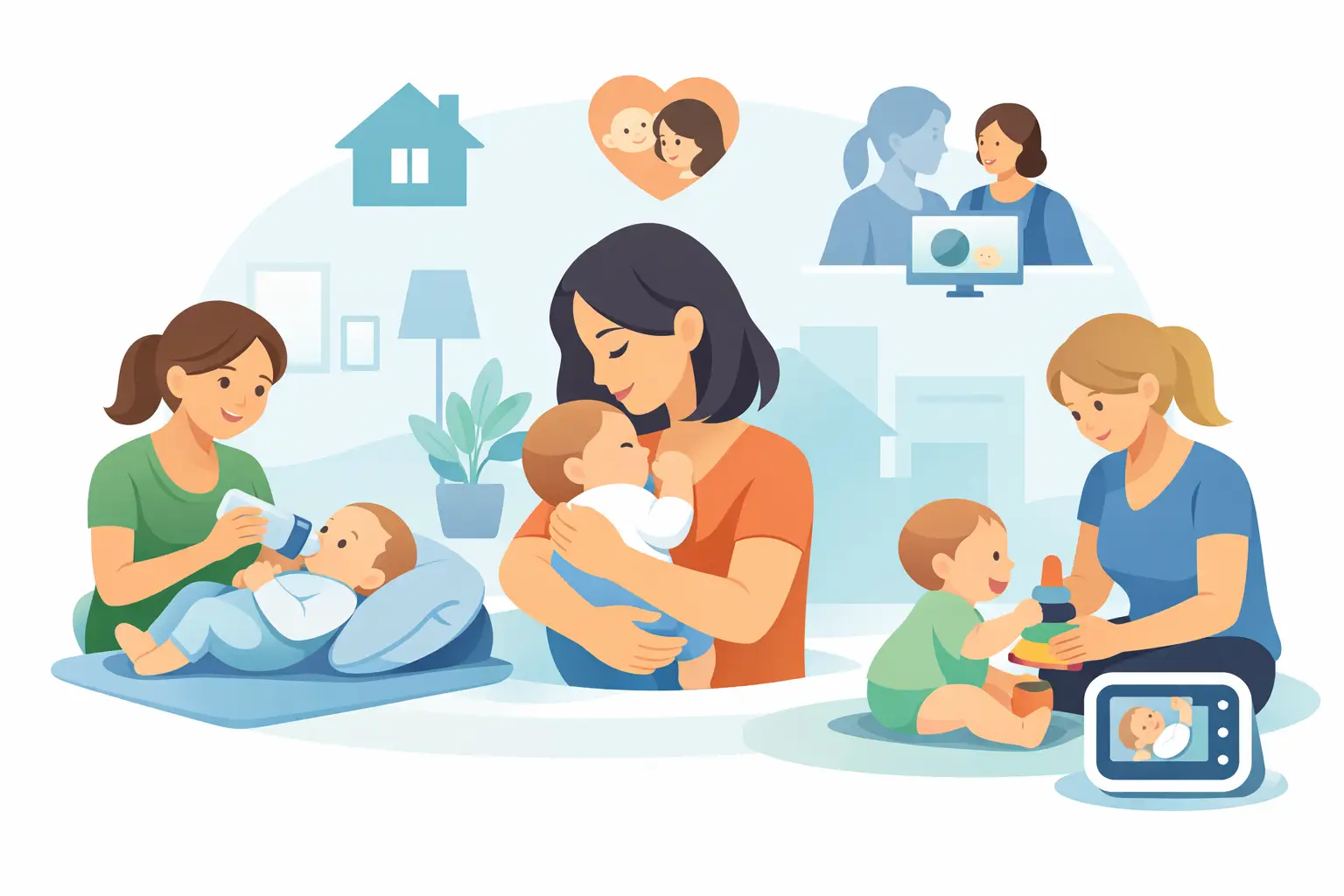
When you are looking for the best infant home care options, the hardest part is usually not finding care at all. It is figuring out which kind of care will feel safe at 7 a.m., dependable at pickup, and genuinely nurturing for a baby who cannot yet tell you how the day went. For many families, that decision sits at the intersection of trust, routine, budget, and the simple hope that their child is known and cared for in a loving environment.
Infant care is different from care for older children. Babies need close supervision, consistent feeding and sleep routines, responsive interaction, and calm transitions. That means the right choice is rarely about what is most popular. It is about what fits your child, your schedule, and your comfort level with how care is monitored and supported.
Best infant home care options parents usually consider
Most families comparing infant care at home or in a home-like setting are choosing between a licensed family day home, a private nanny or nanny share, care from a relative, or an unlicensed home-based caregiver. Each option can work well in the right situation, but they do not offer the same level of oversight, structure, or day-to-day consistency.
A licensed family day home often appeals to parents who want a home away from home with professional standards behind it. In a regulated setting, care is provided in a home environment, but the provider is approved, monitored, and expected to meet health, safety, and program requirements. For infants, this can offer a reassuring balance – a smaller group setting with individualized attention, paired with clear expectations for safe practice.
A nanny offers one-on-one care in your own home, which can be especially helpful if your baby has a very specific routine or if you work long or irregular hours. The trade-off is that families usually take on more responsibility. You may be handling hiring, payroll, backup planning, and your own screening process. The personalized care can be excellent, but the administrative side is heavier.
Relative care can feel deeply comforting, especially during a baby’s first year. Grandparents or other trusted family members may provide warmth, flexibility, and continuity. Still, even loving family care can become complicated if expectations around schedules, sleep habits, illness, or payment are unclear. What feels natural at first can become stressful without good communication.
An unlicensed caregiver may appear more affordable or easier to arrange quickly, but this is where parents need to pause. Lower cost can come with fewer safeguards. If there is no formal oversight, no routine monitoring, and no required standards, families may be relying almost entirely on personal trust. For infant care, that is a significant consideration.
Why licensed day homes stand out among the best infant home care options
For many parents, a licensed family day home offers the strongest mix of warmth and accountability. Babies benefit from a quieter, more intimate setting than many larger programs can provide, while parents benefit from knowing the environment is not operating without oversight.
In a licensed model, there are standards around safety, supervision, and the care environment. Providers are not simply offering babysitting from home. They are working within a framework that includes approval processes, inspections, and ongoing agency involvement. That matters when your child is still bottle feeding, taking multiple naps, or needs extra comfort throughout the day.
Another advantage is relationship-based care. Infants thrive when the same caring adult learns their cues – when they are hungry, how they settle, what overstimulates them, and what helps them feel secure. A quality day home can support those routines in a way that feels personal rather than institutional.
This option also tends to work well for families who want social exposure without placing an infant in a large group. A baby may see the same small circle of children and adults each day, which can create familiarity and gentler transitions over time.
What to look for in infant home care
No matter which type of care you are considering, infant care should be evaluated carefully. The key question is not just whether a caregiver is kind. It is whether the environment, routines, and expectations support safe, responsive care every day.
Start with supervision and safety. Ask how infants are monitored during sleep, where they sleep, how feeding is handled, and how the caregiver manages diapering and sanitation. You want clear, confident answers. Vague responses are not enough when your child is this young.
Pay close attention to routine. The best caregivers understand that infant care is not one-size-fits-all. A good provider will ask about your baby’s feeding schedule, sleep habits, comfort needs, and developmental stage. That conversation tells you a lot. If the caregiver expects your infant to simply adapt to a rigid household schedule, the fit may not be right.
Communication is another major factor. Parents of infants need regular updates because so much changes from week to week. You should know how feeds went, how long naps lasted, how diapers were tracked, and how your baby settled during the day. Good communication builds confidence and helps home and care routines stay aligned.
Then there is the matter of backup and reliability. This is where different care models can vary widely. If a nanny is sick, what is the plan? If a family member is unavailable, who steps in? In an agency-supported licensed day home, parents often feel more secure because there is a structured system around the provider, not just an informal arrangement.
Cost, flexibility, and the real trade-offs
Parents often begin their search with cost, and that is understandable. Infant care is a major household expense. But the least expensive option is not always the best value, especially if inconsistency leads to missed workdays, stress, or concerns about quality.
Nannies are often the most customized option, but they are also commonly the most expensive. You are paying for individualized care and convenience. For some families, that premium is worth it. For others, it creates strain that outweighs the benefits.
Relative care may reduce cost, but the hidden trade-off is emotional complexity. It can be harder to discuss boundaries, routines, or concerns with someone you love. That does not make relative care a poor choice. It simply means the relationship needs structure as much as trust.
Licensed day homes often sit in a practical middle ground. Families can access a nurturing home setting without taking on the full cost and management of in-home private care. In communities such as Edmonton, St. Albert, Sherwood Park, and nearby areas, this model is often appealing to parents who want local care with professional oversight.
Flexibility also deserves a realistic look. A caregiver who promises complete flexibility may not always have the systems needed for consistent infant care. On the other hand, a provider with clear policies, routines, and communication practices may feel less flexible at first, but often delivers a more dependable experience over time.
Choosing care that fits your family
There is no single answer that works for every household. A baby with medical or developmental needs may do best with one-on-one care. A family with predictable hours and a strong preference for small-group socialization may feel most comfortable in a licensed day home. Parents returning to work after leave may also find that their own comfort matters more than they expected. That is not a small thing. If you are anxious about the setup, the transition will be harder for everyone.
It helps to think in layers. First, ask which settings meet your non-negotiables for safety and trust. Then consider routine, cost, and location. After that, focus on fit. Does the caregiver seem calm with infants? Do they speak about care in a respectful, informed way? Does the environment feel peaceful, clean, and prepared for babies rather than merely tolerant of them?
Families do not need perfection. They need care that is dependable, loving, and professionally responsible. That is why many parents choose to work with an agency-supported licensed day home model, where the goal is not just placement, but a strong match between family and provider. Organizations like Rightchoice Family Day Homes Agency help reduce some of the uncertainty by connecting families with approved home child care providers who work within established standards and ongoing support.
The early months of child care can feel tender and a little overwhelming. That is normal. The best choice is usually the one that gives your baby steady, responsive care and gives you confidence when you head out the door each morning. When those two things come together, child care starts to feel less like a compromise and more like an extension of the care you would give at home.