
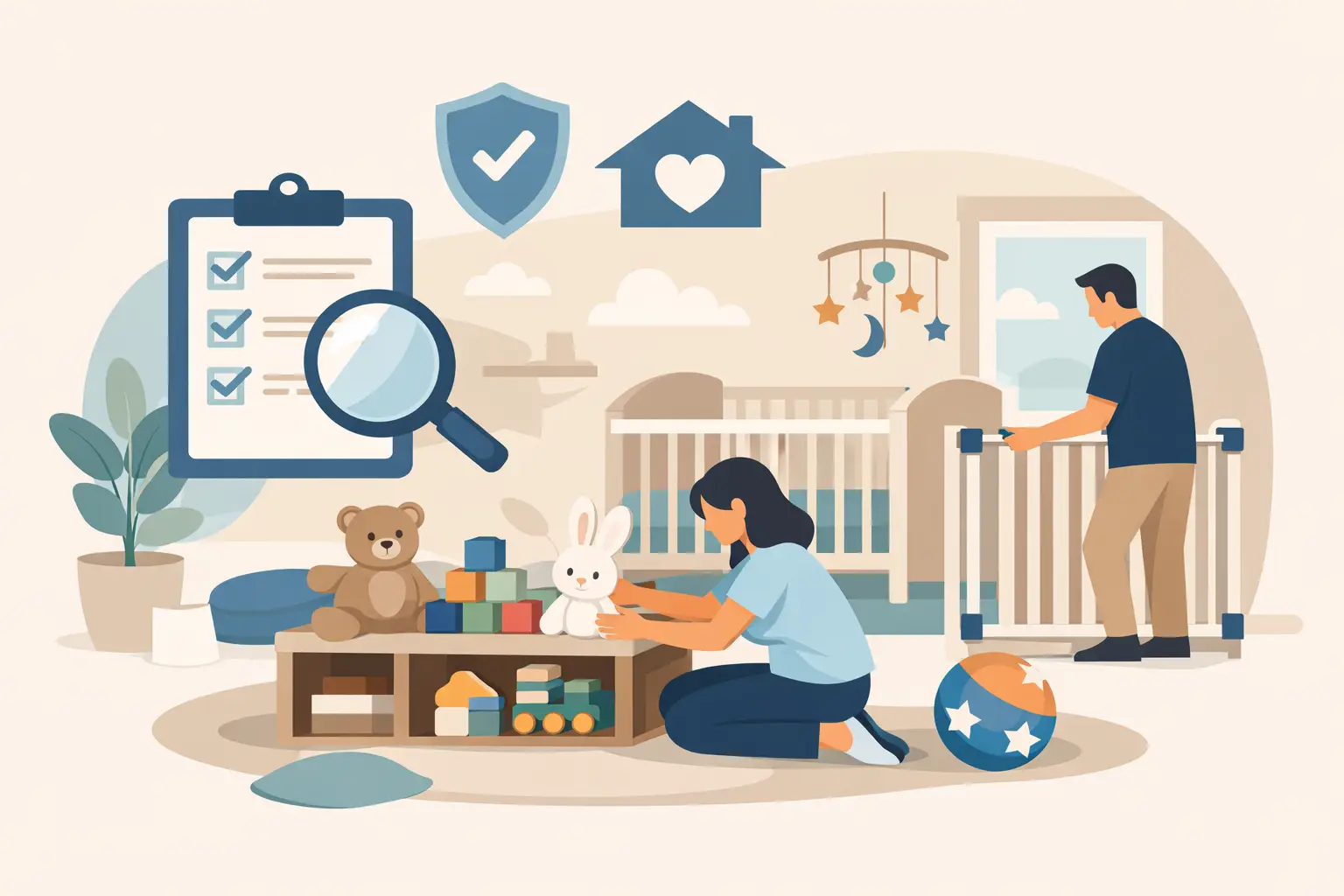
The first home visit can feel personal because it is. You are not just setting up a business space. You are opening part of your home to children, families, and regulatory review. If you are getting ready to prepare home for childcare approval, the goal is not to make your space look perfect. It is to make it safe, organized, and ready to support children in a warm home environment.
For many new providers, the stress comes from not knowing what an assessor or agency visitor will notice first. Usually, it comes down to the basics – supervision, safety, cleanliness, routines, and whether the home can support daily care without unnecessary risk. Once you look at your space through that lens, the process becomes much more manageable.
What approval is really looking for
Childcare approval is not about decorating a picture-perfect playroom or buying every new toy on the market. A regulated family day home is expected to offer loving care in a home setting while meeting clear standards for health, safety, and child development. That means your home should show that children can play, eat, rest, and move through the day safely.
It also needs to show that you, as the provider, can supervise effectively and respond to real-life situations. A beautiful setup matters far less than safe sleep practices, secure storage, emergency planning, and clear routines. In other words, approval looks at both the space and the way the space supports your caregiving.
How to prepare home for childcare approval room by room
The easiest way to prepare is to walk through your home as if you were both a parent and an inspector. Ask yourself where a child could get hurt, what is within reach, and whether each area has a clear purpose.
Entry and drop-off area
Your entry should feel calm and easy to manage. Families need a safe place to arrive, remove shoes or outerwear, and transition their child into care. This area does not need to be large, but it should be uncluttered. Bags, cleaning products, pet items, and adult shoes should not create tripping hazards or become accessible to children.
This is also a good place to think about sign-in routines, attendance records, and how you will greet families while still supervising children already in care.
Main play spaces
Your primary play area should allow children to move freely while staying within your sight. Open floor space matters. Too much furniture, too many bins, or crowded toy storage can make supervision harder.
Choose materials that are clean, in good repair, and appropriate for the ages you plan to care for. A few well-selected toys and learning materials are often better than an overloaded shelf. Children play more calmly in spaces that are organized and predictable.
You will also want to look closely at furniture stability, outlet covers where needed, blind cords, sharp corners, loose rugs, and anything a child could pull down. If you have mixed ages in care, setup becomes more nuanced. Materials for older children may need to be separated from spaces used by infants or toddlers.
Kitchen and food areas
If you serve meals and snacks, your kitchen or eating area should support safe food handling and easy supervision. Cleaning supplies, knives, medications, and small choking hazards must be secured. High chairs, booster seats, and tables should be stable and easy to sanitize.
This is one of those areas where practical function matters more than appearance. Inspectors and agencies want to see that children can eat safely and that adults can manage food preparation without creating supervision gaps.
Bathroom and handwashing areas
Bathrooms should be clean, stocked, and safe for children to use with appropriate support. Think about step stools, water temperature, sanitation supplies, and toileting routines. Children should be able to wash hands easily, and adult-only items should be kept out of reach.
If diapering is part of your care, your setup needs to support hygienic diaper changes and proper cleaning. The exact arrangement may vary by home, but the principle stays the same – reduce contamination risk and keep children supervised.
Rest and sleep spaces
Sleep areas are often reviewed carefully because safe sleep practices are essential. Infants need appropriate sleep equipment that meets current safety expectations. Blankets, pillows, and soft items may not be suitable depending on age and safe sleep guidance.
For older children, rest spaces should still be clean, spaced appropriately, and easy to monitor. A nap setup should help children settle while allowing you to maintain supervision of the whole group.
Outdoor play areas
Your yard does not need elaborate equipment to support quality care. What matters is safety, visibility, and age-appropriate play opportunities. Fencing, gates, surface conditions, standing water, broken equipment, and access to streets or garages should all be reviewed.
Outdoor storage is also worth checking. Garden tools, fuel, chemicals, and pet waste are common concerns. If children will use the yard daily, it should be easy for you to supervise without constant repositioning or guesswork.
Safety fixes that make the biggest difference
When providers prepare home for childcare approval, they sometimes focus on buying more items instead of addressing actual risks. The stronger approach is to fix what could cause harm first.
Start with locked or inaccessible storage for medications, cleaning products, alcohol, cannabis, sharp tools, and any hazardous materials. Then look at exits, smoke alarms, carbon monoxide alarms, and your fire extinguisher if required. Emergency contact information, first aid supplies, and an evacuation plan should be easy for you to access quickly.
Pets also need consideration. Many family day homes have pets, and that does not automatically create a problem. What matters is temperament, cleanliness, supervision, and whether pet food, litter, cages, or animal waste are accessible to children.
Pools, hot tubs, space heaters, fireplaces, stairs, and home workshop areas usually require extra attention. These are the kinds of features that can be manageable in daily family life but need stronger controls in a childcare setting.
Paperwork matters too
A home can look ready and still fall short if the required records are incomplete. Approval is partly about what can be seen, but it also depends on documentation that shows you are prepared to operate responsibly.
Depending on your pathway and local requirements, this may include identification, background checks, references, training certificates, first aid credentials, household information, health records, emergency procedures, and policy forms. Recordkeeping may not be the most exciting part of the process, but it helps show consistency and professionalism.
For providers working with a licensed agency, this is where support can make a real difference. Agencies such as Rightchoice Family Day Homes Agency help applicants understand what is needed, what standards apply, and how to correct issues before they become delays.
Making your home feel warm, not clinical
A common concern is that compliance will make a home-based program feel too strict or institutional. In practice, good preparation should do the opposite. Children benefit when spaces are calm, predictable, and thoughtfully arranged.
You do not need matching furniture or a designer playroom. Family photos, books, simple art materials, soft seating, and accessible toys can help create a home away from home. The key is balance. Warmth should never interfere with safety, and safety does not require stripping your home of personality.
That balance matters to families too. Parents want reassurance that a day home is loving and comfortable, but they also want to know there is structure behind that comfort.
Before your visit, do a realistic trial run
One of the best ways to prepare is to test your environment as if children were already there. Walk from breakfast to bathroom breaks, from active play to nap time, and from indoor routines to outdoor transitions. Notice where supervision gets awkward, where clutter builds up, and where children might bunch up or wander.
It also helps to ask someone you trust to look at the space with fresh eyes. Another adult may notice a loose cord, an unstable shelf, or a blind spot you stopped seeing long ago. Small adjustments before a visit can save time and stress later.
Try not to aim for perfection. Approval is about readiness and compliance, not staging your home like a showroom. A well-prepared home feels safe, manageable, and welcoming because it is designed around children’s daily needs.
If you are feeling overwhelmed, start with one room, one cabinet, and one routine at a time. Steady preparation usually works better than last-minute scrambling, and it helps you build a space where children and families can truly feel at home.