
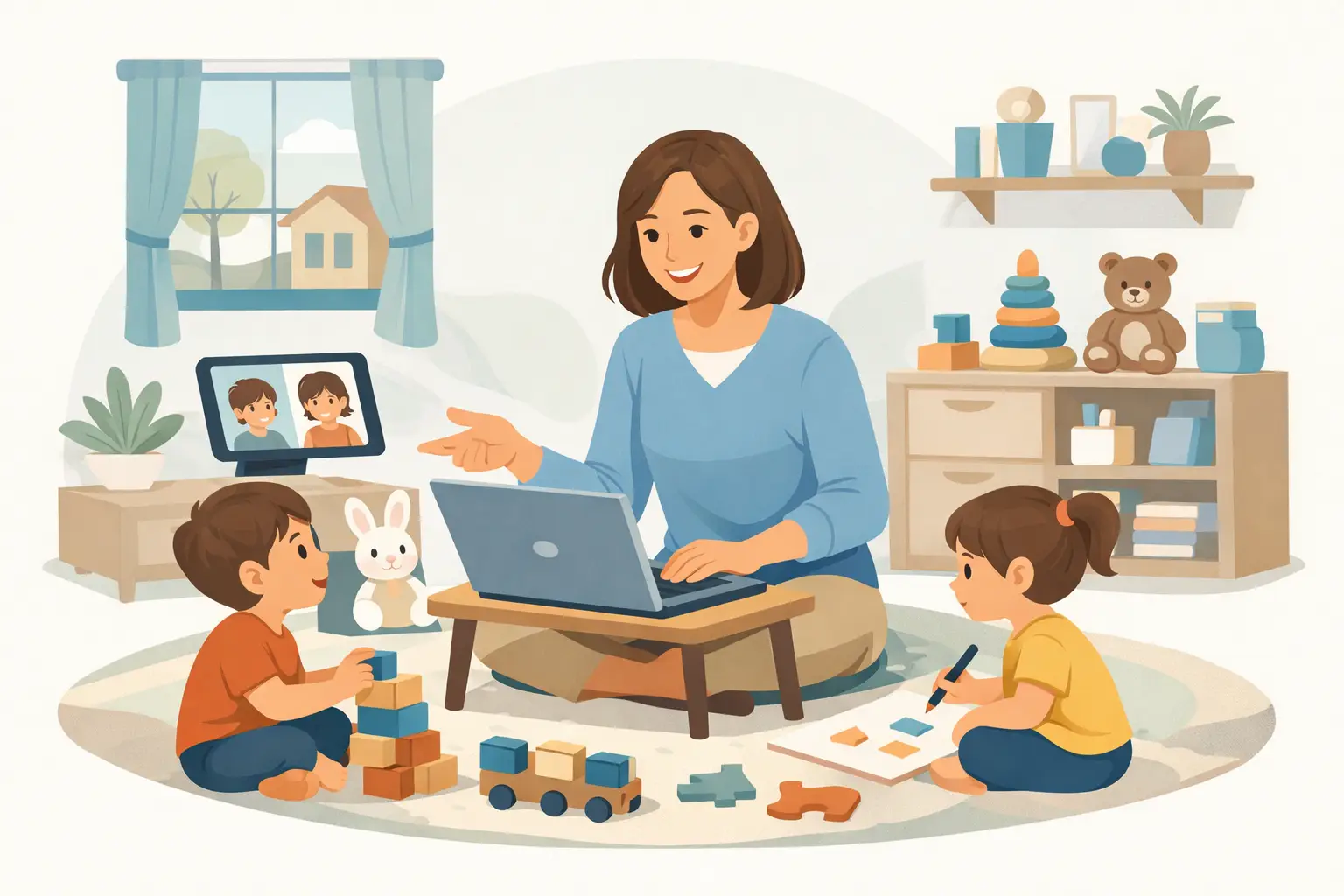
Some people picture child care as a classroom with cubbies, circle time, and a busy front desk. For others, the right setting is quieter and more personal – a home where children are known well, families feel comfortable, and learning happens through everyday moments. That is the appeal of becoming an early childhood educator from home. It offers the chance to build a meaningful career while creating a warm, structured space where young children can grow.
For many caregivers, this path is not just about working from home. It is about combining early learning, family-style care, and professional responsibility in one place. It can be deeply rewarding, but it also comes with real expectations around safety, licensing, routines, and child development. If you are considering this role, it helps to understand both the heart of the work and the standards behind it.
What an early childhood educator from home really does
An early childhood educator from home is more than someone who watches children during the day. In a regulated family day home setting, the provider creates an environment that supports learning, emotional security, healthy routines, and age-appropriate development. Children need loving care, but they also need predictability, guidance, and activities that help them build language, motor, social, and problem-solving skills.
The home setting changes how this work feels. Children often experience a smaller group, closer relationships, and a daily rhythm that can feel like a home away from home. That can be especially valuable for infants, toddlers, and preschoolers who thrive in calm, familiar environments. At the same time, the educator is still expected to operate professionally. Families are trusting you with their child’s safety and well-being, and that trust has to be supported by clear practices and regulated standards.
A strong home-based educator balances warmth with structure. The day may include free play, meals, outdoor time, rest, reading, art, diapering or toileting support, and regular communication with parents. None of that is accidental. Good family day home care is thoughtful, organized, and responsive to each child’s needs.
Why families choose home-based early learning
Parents who choose a licensed day home are often looking for something very specific. They want care that feels personal, but they do not want to give up accountability. They want a nurturing environment, smaller numbers, and strong relationships, while also knowing there are health, safety, and oversight measures in place.
That is why regulated home child care matters. A licensed family day home gives families confidence that the provider is working within established standards rather than operating alone without support. This can make a major difference in how secure parents feel, especially when they are returning to work or placing a very young child in care for the first time.
For the educator, that expectation shapes the role. Being caring is essential, but professionalism is what helps families stay confident over time. Parents notice consistency. They notice whether communication is clear, whether the home is safe and prepared, and whether their child seems settled and engaged.
Starting as an early childhood educator from home
For many prospective providers, the first question is simple: can I actually do this from my home? The answer depends on more than interest. You need the right temperament, a suitable home environment, and a willingness to follow regulatory requirements carefully.
This work can be a good fit for someone who enjoys young children, values routine, and is comfortable managing both caregiving and business responsibilities. It also helps to be patient, observant, and dependable. Children do not need perfection, but they do need adults who can stay calm, make sound decisions, and respond consistently.
Your home also needs to support safe child care. That includes adequate space, safe storage, supervision practices, emergency planning, and an environment that can be inspected and monitored. A warm home setting is important, but it must also function as a regulated child care space.
In Alberta, providers who want to operate within the regulated family day home system work with a licensed family day home agency. That relationship matters. The agency helps guide the approval process, reviews qualifications and safety requirements, conducts home assessments, and continues to provide oversight and support after approval. For many educators, this makes the process more manageable and much less isolating.
Licensing, standards, and why they matter
Licensing is sometimes seen as paperwork, but for families and children it means something much more practical. It means there are standards in place for health, safety, supervision, and quality of care. It means the provider is not working without accountability.
For a home-based educator, meeting standards can include background checks, first aid requirements, home inspections, policy reviews, and ongoing compliance with the Family Day Home Standards Manual. There may also be expectations related to training, recordkeeping, emergency procedures, daily operations, and child guidance practices.
This can feel like a lot at first. That is normal. The benefit of working with an agency is that you are not left to interpret every requirement on your own. You have a professional partner helping you understand what is needed, what needs to be updated, and how to maintain a safe and high-quality program over time.
That support is one reason many educators choose the regulated route. Independence has appeal, but support, monitoring, and professional development often make it easier to build a stable child care program that families trust.
Creating a home away from home
A successful day home does not need to look like a preschool classroom. It does need to feel intentional. Children should have room to play, explore, rest, and participate in daily routines that make them feel secure.
Play-based learning is often the best fit for a home environment because it reflects how young children actually learn. A child building with blocks is developing more than fine motor skills. They are learning persistence, spatial awareness, problem-solving, and sometimes cooperation. A child helping set the table is practicing independence and routine. Reading together on the couch builds language and connection at the same time.
The strongest home-based educators plan with purpose, even when the day stays flexible. They notice each child’s stage of development. They prepare materials that invite curiosity. They understand when to step in and when to let children explore. That kind of care feels natural to children, but it is grounded in skill.
The business side of working from home
This is one area people sometimes underestimate. Becoming an early childhood educator from home is caring work, but it is also operational work. You are managing schedules, attendance, communication, records, meals, supplies, cleaning, and policies. You may also be balancing your own household routines with the needs of the program.
That does not mean the role is not worth it. It means success depends on realistic expectations. Some providers love the autonomy and the chance to create their own environment. Others find the blending of home life and professional life more demanding than expected. It depends on your space, your family situation, and how well you manage boundaries.
Agency support can make a real difference here too. Ongoing visits, guidance, and professional development help providers stay connected to best practices and feel supported as questions come up.
Is this the right path for you?
If you are drawn to child development, enjoy building relationships with families, and want to offer loving care in a smaller setting, this path may be a strong fit. If you also value structure, safety, and accountability, regulated family day home care can offer a professional way to do that from your own home.
For families, choosing a licensed home-based educator can provide comfort and consistency during an important stage of childhood. For providers, it can become meaningful work rooted in trust, community, and everyday impact. Agencies such as Rightchoice Family Day Homes Agency help bridge those two needs by supporting educators through approval, oversight, and ongoing development.
The best place to start is with honesty. Look at your home, your schedule, your patience, and your commitment to meeting standards. If the answer is yes, this work can become more than a job. It can become a place where children feel safe, families feel supported, and learning begins in the most personal setting of all.