
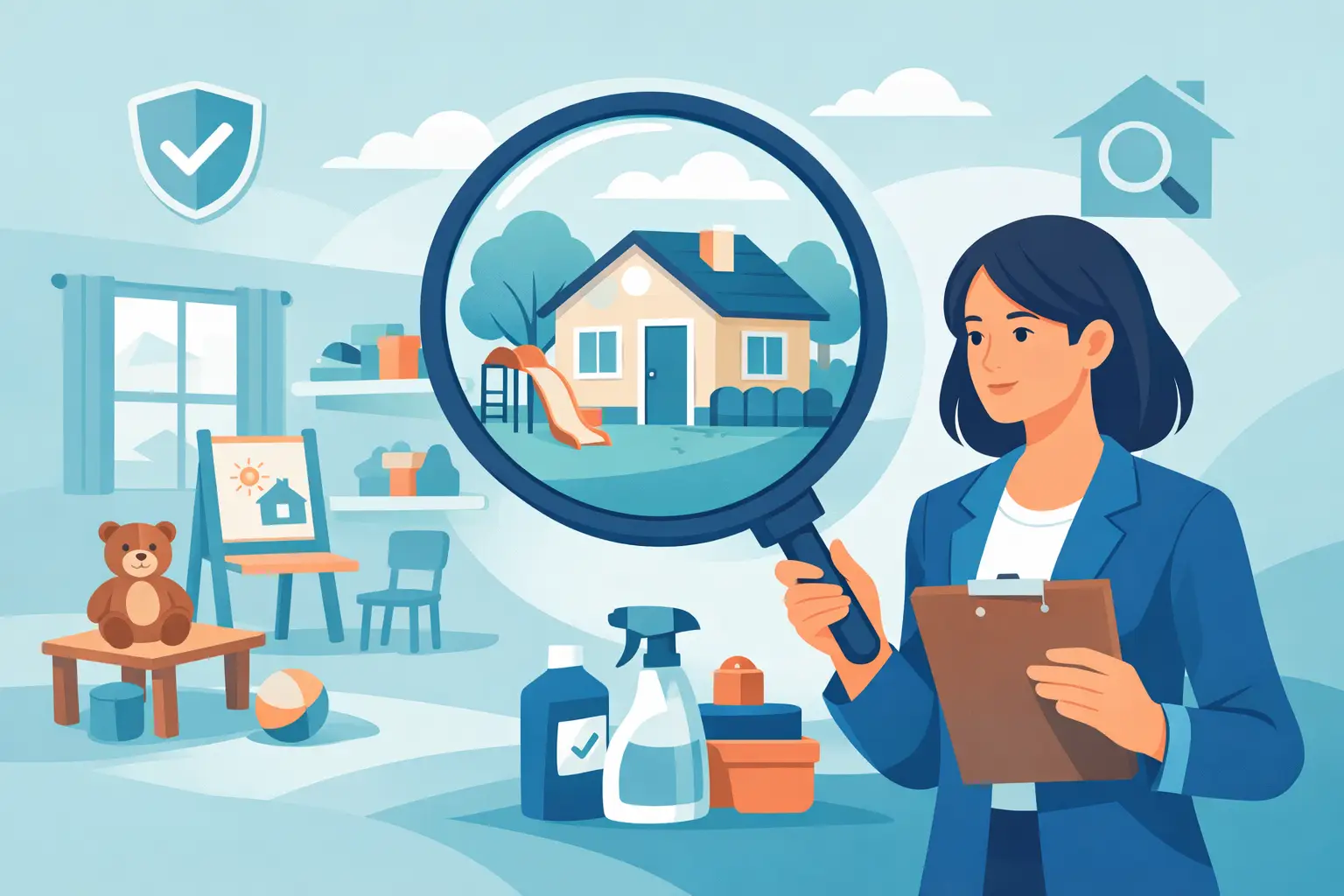
The night before a dayhome inspection can feel a bit like hosting guests who will open every cabinet, check every form, and notice the details you meant to get to next week. That pressure is real. If you are wondering how to prepare for dayhome inspection, the most helpful approach is not to aim for perfection. It is to show that your home is safe, organized, and ready to support children every day.
For approved or prospective family day home providers, an inspection is not just a pass-or-fail moment. It is part of building trust with families and meeting the standards that protect children in home-based care. A well-prepared inspection also makes your daily work easier, because the same things an assessor looks for are the things that help a dayhome run smoothly.
How to prepare for dayhome inspection without last-minute stress
The best preparation starts early. Trying to clean, organize paperwork, review policies, and fix safety concerns all at once usually creates more stress than progress. Instead, think of inspection readiness as an ongoing habit. If your home, records, and routines are kept inspection-ready week by week, the actual visit becomes much more manageable.
Start by walking through your home as if you were seeing it for the first time. Look at your entryway, play space, kitchen, bathroom, sleeping area, and outdoor area. Ask yourself whether each space clearly supports supervision, safety, cleanliness, and child access. A room does not need to look staged. It needs to look functional, cared for, and appropriate for the ages of the children in care.
Paperwork deserves the same attention as the physical setup. Many providers focus on visible cleanliness first, but missing records can cause just as much concern as a safety hazard. Keep your documents in one organized place so you can respond confidently during the visit.
Focus first on safety and supervision
Safety is usually where inspectors spend the most time, and for good reason. Families trust licensed dayhomes because they expect a home away from home that is warm but also carefully managed. Your setup should show that children can move, play, eat, and rest in spaces that are actively protected.
Look closely at common risk points. Cleaning products, medications, sharp tools, plastic bags, cords, and small choking hazards should be stored out of reach or locked away. Gates should be secure where needed, and furniture should be stable. Smoke and carbon monoxide alarms should be installed and working. If you have pets, their food, supplies, and access areas should be managed in a way that keeps children safe.
Supervision matters just as much as hazard control. An inspector may consider whether the layout of your home allows you to see and hear children easily. A beautiful playroom loses value if it creates blind spots. If one area of the home limits supervision, think about how you can rearrange furniture or adjust where activities happen.
Outdoor space is often part of the inspection too. Fencing, gates, stored tools, standing water, and tripping hazards all deserve attention. If children use your yard regularly, it should be as intentionally prepared as your indoor play area.
Emergency readiness should be visible
Emergency planning should not exist only on paper. First aid supplies need to be complete and easy to access. Emergency contact information should be current. Fire escape plans should be clear, and if drills are required, your records should show that they are being practiced.
This is one area where small details matter. Expired supplies, missing forms, or uncertainty about your own procedures can signal that emergency planning is not part of your daily operations. The goal is to show that if something unexpected happens, you are ready to respond calmly and quickly.
Get your records organized before inspection day
If you want to know how to prepare for dayhome inspection in a way that reduces anxiety, organize your paperwork early. A clean home creates a strong first impression, but complete records create confidence.
Keep children’s enrollment information, emergency contacts, consent forms, attendance records, incident documentation, and health information together and easy to review. Your training documents, certifications, policy manuals, and agency-related records should also be current and accessible.
What matters most can vary depending on where you are in the approval or monitoring process. A provider preparing for initial approval may need to show different documentation than a provider completing a routine monitoring visit. That is why it helps to confirm expectations in advance rather than assuming every inspection will focus on the same items.
If forms are technically complete but hard to find, that still creates stress. Use labeled folders or a binder system that lets you move quickly from one category to another. You do not need an elaborate office setup. You need a simple system you can maintain.
Review dates and signatures
One of the easiest mistakes to make is overlooking small updates. Check for expired certifications, missing parent signatures, outdated emergency contacts, or medication forms that are no longer current. These are easy fixes if you catch them ahead of time.
This review also gives you a chance to notice patterns. If certain records are always hard to keep current, that may point to a process that needs to be simplified in your daily routine.
Prepare your environment for real children, not for display
Inspectors are not looking for a picture-perfect home. They are looking for a dayhome environment that supports children’s well-being, learning, and daily care. That means your space should feel lived in, but it should also show intention.
Toys should be clean, in good condition, and appropriate for the ages in care. Materials should support play and exploration without creating clutter that makes supervision harder. Rest areas should be clean and arranged according to safe sleep expectations. Handwashing areas should be stocked and accessible.
Meals and snacks are another practical area to review. If you provide food, think about how food is stored, prepared, and served. Clean surfaces, proper storage, and a routine that supports hygiene all matter. Even if an inspector is not there during mealtime, your setup should show that food service is handled responsibly.
There is a balance here. A highly structured setup can look organized, but if it does not feel welcoming or child-centered, it may not reflect the kind of care families are seeking. On the other hand, a very cozy and relaxed home can still fall short if materials are disorganized or safety practices are inconsistent. The strongest environments usually blend warmth with clear systems.
Be ready to talk through your daily routines
An inspection is not only about what can be seen. It is also about how you operate. You may be asked about supervision, guidance strategies, illness procedures, cleaning routines, transportation, outdoor play, rest times, and communication with families.
This is where confidence comes from familiarity. If your policies are part of your real daily practice, it will be easier to explain them clearly. If a policy exists only because it was required on paper, you may hesitate when asked how it works in real life.
Take time before the visit to review your daily flow from arrival to pickup. Think through transitions, bathroom routines, snack service, active play, and nap supervision. Inspectors often notice whether a provider’s systems are practical, consistent, and developmentally appropriate.
For newer providers, it can help to say what you do and why you do it. For example, if materials are stored low on shelves, that supports independence. If the entry routine includes a parent check-in and health observation, that supports communication and wellness monitoring. Clear reasoning shows professionalism.
A calm inspection day starts with small practical steps
On the day of the inspection, give yourself more time than you think you need. Rushing tends to create avoidable mistakes. Open blinds, tidy high-use surfaces, check the bathroom, and make sure your paperwork is set out where you can reach it easily.
Dress comfortably but professionally. If children are present, keep the day as normal as possible. Inspectors understand that caring for children is active, unpredictable work. In fact, seeing your usual routine can be more helpful than seeing a home that has been overly staged for inspection.
If the inspector points out a concern, try not to become defensive. Some items may be simple to correct right away. Others may take more planning. Either way, feedback is part of maintaining quality care. Agencies such as Rightchoice Family Day Homes Agency support providers through this process because inspections are not meant to leave educators guessing. They are part of keeping standards clear and children protected.
A dayhome inspection can feel personal because it happens in your home, but it is really about your professional role within that home. When your space reflects safety, your records are in order, and your routines are thoughtful, you are not just preparing for a visit. You are showing families that their child will be cared for in a setting that is loving, dependable, and ready for the everyday realities of child care.