
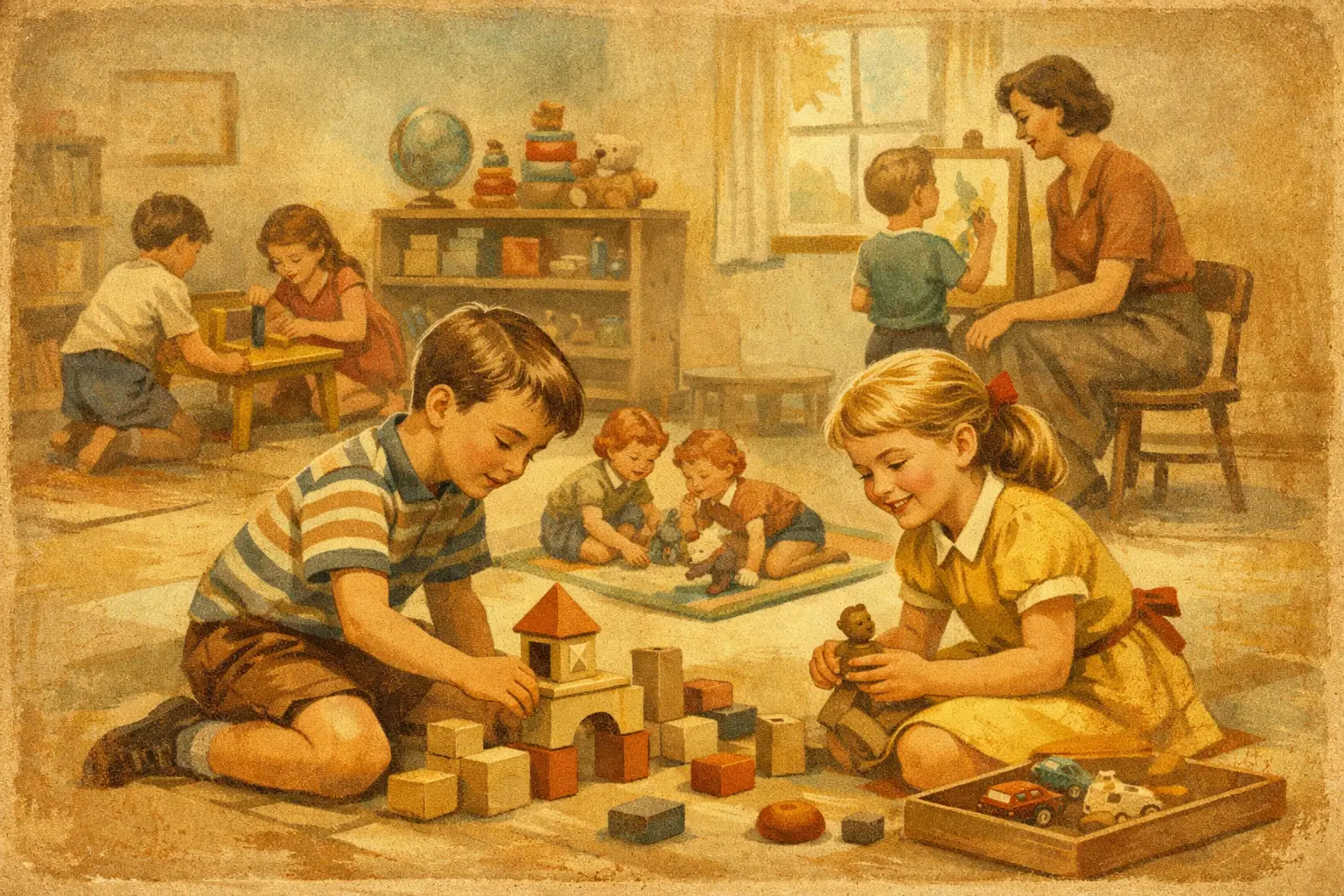
A child lining up blocks, pretending to cook lunch, or turning a blanket into a fort may look like they are “just playing.” In early childhood, that play is often where the deepest learning happens. If you have been asking what is play based learning, the short answer is this: it is an approach that helps children learn through hands-on experiences, curiosity, movement, imagination, and responsive guidance from caring adults.
For families choosing child care, and for educators building a quality day home program, this matters. Play-based learning supports development in a way that feels natural to young children. It respects how they grow, while still creating meaningful opportunities to build language, social skills, problem-solving, confidence, and independence.
What is play based learning in early childhood?
Play-based learning is a child-centered approach where play becomes the main path for development and learning. Instead of relying on formal lessons, worksheets, or long periods of direct instruction, children explore materials, ideas, and relationships through active play. The adult still plays an important role, but that role is to guide, observe, encourage, and extend learning rather than control every moment.
This approach is especially effective for infants, toddlers, and preschool-aged children because young children learn best by doing. They touch, test, repeat, imagine, talk, move, and try again. Through those everyday experiences, they begin to understand the world around them.
In a home-based child care setting, play-based learning can happen in simple, familiar ways. A provider may set out loose parts for building, invite children to help mix ingredients at snack time, read a story and act it out, or support outdoor play that includes climbing, digging, and observing nature. These moments may seem small, but they are rich with learning.
Why play is more than entertainment
Play is joyful, but it is not random. When children play, they are making choices, testing ideas, and building important brain connections. A child stacking cups is not only having fun. They are learning about size, balance, cause and effect, and persistence. A child pretending to care for a baby doll is practicing empathy, language, memory, and social understanding.
This is one reason many families are drawn to licensed day homes. In a smaller, nurturing environment, children often have more space to engage in meaningful everyday play. They can follow their interests, receive individualized support, and learn in a setting that feels like a home away from home.
That said, play-based learning does not mean there is no structure. Quality programs balance freedom with thoughtful planning. Children need routines, safe environments, and caring adults who know when to step in and when to step back. The strongest play-based settings feel warm and relaxed, but they are also intentional.
What children learn through play based learning
One of the strengths of this approach is that many areas of development grow at the same time. A single play experience often supports several skills at once.
Language develops when children sing songs, ask questions, tell stories, and talk through pretend play. Social skills grow when they take turns, solve conflicts, and learn to read facial expressions and emotions. Early math appears when they sort objects, count toys, compare sizes, or notice patterns. Physical development happens through running, climbing, pouring, drawing, threading, and building.
Play also supports emotional growth. Children learn to cope with frustration, recover from mistakes, and build confidence as they master new tasks. This can be especially valuable in early child care, where children are learning how to separate from family, build trust with other adults, and feel secure in a group setting.
For educators, this is an important mindset shift. The goal is not to rush children into academic work before they are developmentally ready. The goal is to create rich experiences that build the foundation for later learning.
What is play based learning supposed to look like?
Play-based learning does not always look loud or dramatic. Sometimes it looks like active pretend play with costumes and toy kitchens. Other times it looks quiet and focused, like a toddler filling and dumping containers or a preschooler drawing a family picture.
A quality play-based environment usually includes open-ended materials, consistent routines, and time for both indoor and outdoor exploration. Children should have opportunities to make choices, use their imagination, and engage with real-life experiences. The adult pays attention to what children are interested in and uses those interests to support development.
For example, if children are fascinated by trucks, an educator might offer toy vehicles, books about construction, sensory bins with sand, and chances to count wheels or compare sizes. If children are interested in animals, the provider may introduce songs, dramatic play, outdoor observation, and conversations about care and habitats.
This is where professional judgment matters. Play-based learning is not about leaving children to entertain themselves all day. It depends on observation, planning, safety, and responsive interaction. In licensed day homes, that balance is especially important because families want both loving care and confidence that their child is in a well-run, developmentally appropriate setting.
The adult’s role in play based learning
Adults are essential in a play-based program. They create the environment, offer materials, support relationships, and help children deepen their thinking. Sometimes they join play directly. Sometimes they observe quietly and wait. Knowing the difference is part of quality early childhood practice.
A skilled provider might notice two children arguing over a toy and help them use words to solve the problem. They may ask open-ended questions like, “What do you think will happen if we add more blocks?” or “How could we help the baby doll feel better?” These kinds of interactions stretch children’s thinking without taking over the experience.
For parents, this can be reassuring. Play-based learning is not passive care. It is active, professional, and intentional. In a regulated family day home, it should be supported by safe routines, age-appropriate planning, and ongoing attention to each child’s needs.
Why families often prefer this approach
Many parents want their child to be safe, loved, and prepared for school. Play-based learning supports all three, but it does so in a way that fits early childhood. Rather than pushing children into formal academics too early, it builds the foundational skills that make later learning easier and more meaningful.
Children who have strong opportunities for play often develop communication, self-regulation, creativity, and independence. These are not extras. They are core life skills. A child who can listen, adapt, cooperate, and keep trying after a challenge is building readiness for school and beyond.
Families also appreciate that play-based learning feels human. Children are not expected to sit still for long stretches or produce the same result at the same time. They are allowed to develop at their own pace, within a supportive and thoughtfully guided environment.
Why it matters for family day home educators
For providers, play-based learning offers a practical and effective framework for daily care. Home-based environments are naturally well suited to this approach because they include real-life routines, mixed experiences, and opportunities for close relationships. Meal times, outdoor walks, story time, sensory activities, and dramatic play can all become part of a strong learning day.
At the same time, providers need support to use this approach well. Planning for play still involves safety checks, observation, documentation, and age-appropriate environments. It also involves understanding child development so that activities match children’s abilities and interests.
That is one reason agency support matters. Rightchoice Family Day Homes Agency works with educators within Alberta’s regulated child care framework, helping providers maintain standards while building warm, engaging home programs where children can learn through play.
Common misunderstandings about play based learning
One common misunderstanding is that play-based learning is less serious than academic instruction. In reality, it is often more developmentally appropriate for young children. Another misconception is that children will not be prepared for school unless they do formal work early. But early learning research and professional practice continue to show that strong social, language, motor, and problem-solving foundations are critical.
There is also an it depends factor. Some children enjoy more structured tasks, and some benefit from gentle adult guidance to join play or stay engaged. Good programs adapt. Play-based learning works best when it is responsive, not rigid.
How to recognize a quality play-based setting
If you are a parent visiting a day home, look beyond the toys. Notice whether the environment feels calm, safe, and welcoming. Watch how the provider interacts with children. Are they warm, attentive, and engaged? Do children have time to explore, talk, move, and create? Is there a balance between routine and flexibility?
If you are an educator, ask whether your setup encourages curiosity and independence. Do children have access to open-ended materials? Are you observing their interests and planning from there? Are you supporting learning through relationships, not just activities?
The best play-based environments do not need to feel flashy. They need to feel thoughtful, secure, and responsive.
When people ask what is play based learning, they are often really asking a deeper question: what helps young children thrive? More often than not, the answer starts with safe relationships, room to explore, and caring adults who understand that play is not a break from learning. For young children, it is how learning begins.